Culture & Trends

4 min read

The Human Algorithm

Be the first to know about every new letter.

No spam, unsubscribe anytime.

When I was growing up, the internet was an open frontier. There were no mentors, no manuals, and no shared understanding of what it meant to “live online.” We were the beta testers of digital life, shaping norms through trial, error, and oversharing.

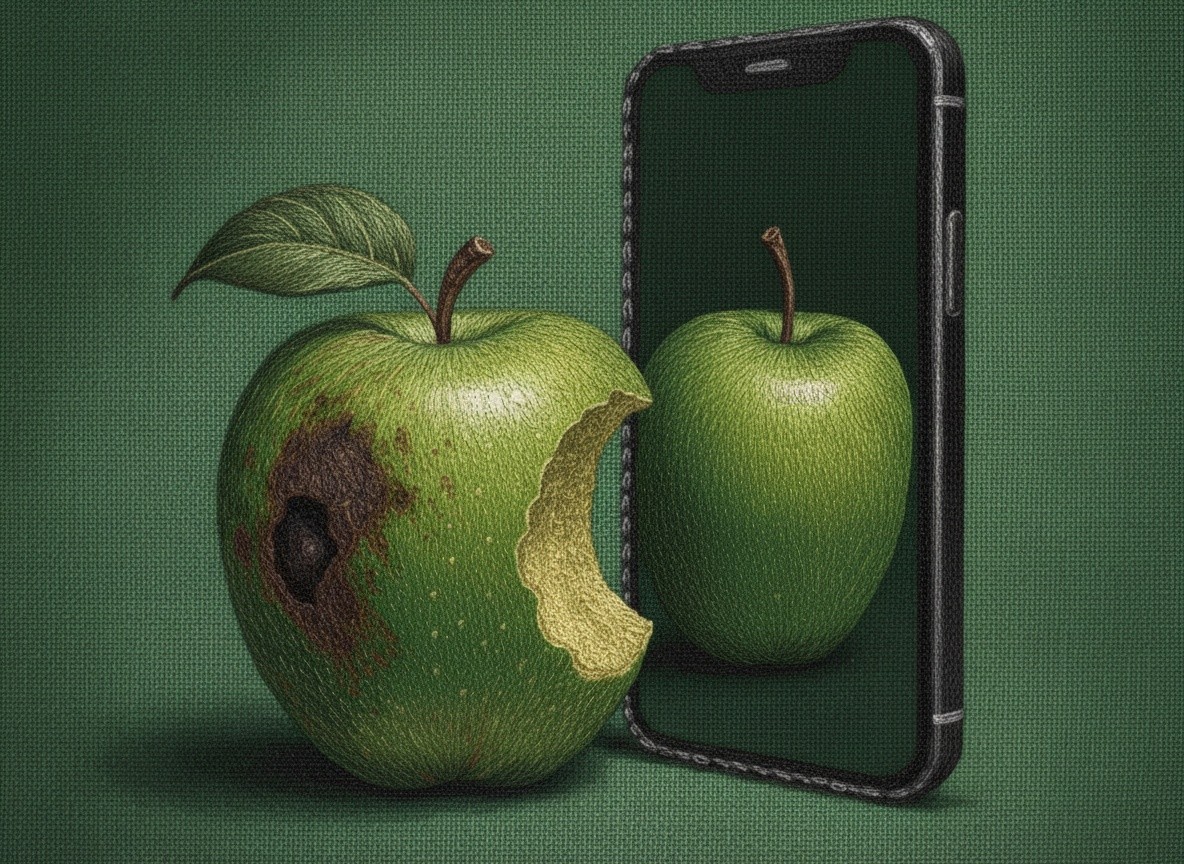
Early Facebook and Instagram weren’t built to manipulate us, they were built to measure us. At first, we simply wanted to connect, share photos, and keep in touch. But the moment we began chasing likes, checking notifications, and posting for validation, the platforms began learning our psychology.

Facebook learned that attention was addictive. Instagram learned that beauty and belonging drove engagement. And we, without realizing it, began training the algorithm...not with code, but with desire.

Every scroll, pause, and click became behavioral data, teaching these systems what we valued most: visibility, affirmation, and comparison. Over time, what started as digital scrapbooks became social scoreboards.

From Connection to Conversion

Over time, those early impulses, to share, to be seen, to belong, didn’t just change how we socialized. They redefined how we do business.

As social platforms learned to monetize attention, we learned to package identity. The same instincts that once drove us to post vacation photos or friend updates now drive entire marketing departments. Every company became a content creator. Every employee became a brand.

What began as connection slowly evolved into performance. Metrics replaced memories. Authenticity became strategy.

In the process, social media turned us into business digital monsters. Not because we were corrupted by it, but because we optimized ourselves for it. We learned that visibility equals value, engagement equals relevance, and silence equals risk.

The Generational Mismatch

Younger generations navigate the digital world with instinctive fluency. They know how to trend, optimize, and engage in real time. But what they gain in speed, they often lose in restraint. Everything is instantaneous: reactions, opinions, visibility. Boundaries blur, and the line between expression and exposure gets thinner with every post.

Older generations, on the other hand, understand restraint. They grew up in a world where silence carried dignity, and privacy was a virtue. Yet many resist the digital world altogether, mistaking participation for self-promotion. By doing so, they often surrender their cultural influence to those who speak the new language more confidently.

That’s the paradox of our era: one group knows how to speak online but not always when to stop, while the other knows when to pause but not always how to begin.

Bridging that divide is where leadership lives now. Because digital presence isn’t about performance — it’s about example. We once taught manners at the dinner table; now we teach them through our feeds. The question isn’t whether we show up, it’s what values we model when we do.

Rethinking What We Want

For decades, our systems — educational, corporate, even social — have rewarded three things: power, control, and money. But in a world where access, knowledge, and global reach are available to nearly anyone, maybe those aren’t the ultimate measures anymore.

Maybe the new currency is curiosity. Maybe the new status is self-regulation. Maybe the next frontier of success is connection, empathy, and creative problem-solving — skills no algorithm can automate.

We are the first generation in human history with this level of access, communication, and capability. That’s not something to fear. That’s something to steward.

It Was Never About the Technology

The lawsuits against social media platforms will come and go. So will the next app, the next feature, the next promise to “fix” what’s broken. Technology only gives us what we want faster, louder, and in higher definition. So the harder question isn’t what it’s showing us. It’s why we wanted it in the first place.

If we crave validation, we’ll build systems that reward it. If we crave control, we’ll design algorithms that mirror it. If we crave money, we’ll let attention become the new currency.

Every click is a confession. Every share is a signal. Every algorithm is a reflection of collective desire.

So before we ask how to fix the feed, we should ask: What are we teaching each other to want?

Because technology doesn’t control us, it amplifies us. And if we have the courage to change what we crave, the algorithm will follow.

Let's chat again soon...

Gibz

When I was growing up, the internet was an open frontier. There were no mentors, no manuals, and no shared understanding of what it meant to “live online.” We were the beta testers of digital life, shaping norms through trial, error, and oversharing.

Early Facebook and Instagram weren’t built to manipulate us, they were built to measure us. At first, we simply wanted to connect, share photos, and keep in touch. But the moment we began chasing likes, checking notifications, and posting for validation, the platforms began learning our psychology.

Facebook learned that attention was addictive. Instagram learned that beauty and belonging drove engagement. And we, without realizing it, began training the algorithm...not with code, but with desire.

Every scroll, pause, and click became behavioral data, teaching these systems what we valued most: visibility, affirmation, and comparison. Over time, what started as digital scrapbooks became social scoreboards.

From Connection to Conversion

Over time, those early impulses, to share, to be seen, to belong, didn’t just change how we socialized. They redefined how we do business.

As social platforms learned to monetize attention, we learned to package identity. The same instincts that once drove us to post vacation photos or friend updates now drive entire marketing departments. Every company became a content creator. Every employee became a brand.

What began as connection slowly evolved into performance. Metrics replaced memories. Authenticity became strategy.

In the process, social media turned us into business digital monsters. Not because we were corrupted by it, but because we optimized ourselves for it. We learned that visibility equals value, engagement equals relevance, and silence equals risk.

The Generational Mismatch

Younger generations navigate the digital world with instinctive fluency. They know how to trend, optimize, and engage in real time. But what they gain in speed, they often lose in restraint. Everything is instantaneous: reactions, opinions, visibility. Boundaries blur, and the line between expression and exposure gets thinner with every post.

Older generations, on the other hand, understand restraint. They grew up in a world where silence carried dignity, and privacy was a virtue. Yet many resist the digital world altogether, mistaking participation for self-promotion. By doing so, they often surrender their cultural influence to those who speak the new language more confidently.

That’s the paradox of our era: one group knows how to speak online but not always when to stop, while the other knows when to pause but not always how to begin.

Bridging that divide is where leadership lives now. Because digital presence isn’t about performance — it’s about example. We once taught manners at the dinner table; now we teach them through our feeds. The question isn’t whether we show up, it’s what values we model when we do.

Rethinking What We Want

For decades, our systems — educational, corporate, even social — have rewarded three things: power, control, and money. But in a world where access, knowledge, and global reach are available to nearly anyone, maybe those aren’t the ultimate measures anymore.

Maybe the new currency is curiosity. Maybe the new status is self-regulation. Maybe the next frontier of success is connection, empathy, and creative problem-solving — skills no algorithm can automate.

We are the first generation in human history with this level of access, communication, and capability. That’s not something to fear. That’s something to steward.

It Was Never About the Technology

The lawsuits against social media platforms will come and go. So will the next app, the next feature, the next promise to “fix” what’s broken. Technology only gives us what we want faster, louder, and in higher definition. So the harder question isn’t what it’s showing us. It’s why we wanted it in the first place.

If we crave validation, we’ll build systems that reward it. If we crave control, we’ll design algorithms that mirror it. If we crave money, we’ll let attention become the new currency.

Every click is a confession. Every share is a signal. Every algorithm is a reflection of collective desire.

So before we ask how to fix the feed, we should ask: What are we teaching each other to want?

Because technology doesn’t control us, it amplifies us. And if we have the courage to change what we crave, the algorithm will follow.

Let's chat again soon...

Gibz

When I was growing up, the internet was an open frontier. There were no mentors, no manuals, and no shared understanding of what it meant to “live online.” We were the beta testers of digital life, shaping norms through trial, error, and oversharing.

Early Facebook and Instagram weren’t built to manipulate us, they were built to measure us. At first, we simply wanted to connect, share photos, and keep in touch. But the moment we began chasing likes, checking notifications, and posting for validation, the platforms began learning our psychology.

Facebook learned that attention was addictive. Instagram learned that beauty and belonging drove engagement. And we, without realizing it, began training the algorithm...not with code, but with desire.

Every scroll, pause, and click became behavioral data, teaching these systems what we valued most: visibility, affirmation, and comparison. Over time, what started as digital scrapbooks became social scoreboards.

From Connection to Conversion

Over time, those early impulses, to share, to be seen, to belong, didn’t just change how we socialized. They redefined how we do business.

As social platforms learned to monetize attention, we learned to package identity. The same instincts that once drove us to post vacation photos or friend updates now drive entire marketing departments. Every company became a content creator. Every employee became a brand.

What began as connection slowly evolved into performance. Metrics replaced memories. Authenticity became strategy.

In the process, social media turned us into business digital monsters. Not because we were corrupted by it, but because we optimized ourselves for it. We learned that visibility equals value, engagement equals relevance, and silence equals risk.

The Generational Mismatch

Younger generations navigate the digital world with instinctive fluency. They know how to trend, optimize, and engage in real time. But what they gain in speed, they often lose in restraint. Everything is instantaneous: reactions, opinions, visibility. Boundaries blur, and the line between expression and exposure gets thinner with every post.

Older generations, on the other hand, understand restraint. They grew up in a world where silence carried dignity, and privacy was a virtue. Yet many resist the digital world altogether, mistaking participation for self-promotion. By doing so, they often surrender their cultural influence to those who speak the new language more confidently.

That’s the paradox of our era: one group knows how to speak online but not always when to stop, while the other knows when to pause but not always how to begin.

Bridging that divide is where leadership lives now. Because digital presence isn’t about performance — it’s about example. We once taught manners at the dinner table; now we teach them through our feeds. The question isn’t whether we show up, it’s what values we model when we do.

Rethinking What We Want

For decades, our systems — educational, corporate, even social — have rewarded three things: power, control, and money. But in a world where access, knowledge, and global reach are available to nearly anyone, maybe those aren’t the ultimate measures anymore.

Maybe the new currency is curiosity. Maybe the new status is self-regulation. Maybe the next frontier of success is connection, empathy, and creative problem-solving — skills no algorithm can automate.

We are the first generation in human history with this level of access, communication, and capability. That’s not something to fear. That’s something to steward.

It Was Never About the Technology

The lawsuits against social media platforms will come and go. So will the next app, the next feature, the next promise to “fix” what’s broken. Technology only gives us what we want faster, louder, and in higher definition. So the harder question isn’t what it’s showing us. It’s why we wanted it in the first place.

If we crave validation, we’ll build systems that reward it. If we crave control, we’ll design algorithms that mirror it. If we crave money, we’ll let attention become the new currency.

Every click is a confession. Every share is a signal. Every algorithm is a reflection of collective desire.

So before we ask how to fix the feed, we should ask: What are we teaching each other to want?

Because technology doesn’t control us, it amplifies us. And if we have the courage to change what we crave, the algorithm will follow.

Let's chat again soon...

Gibz

My mission is to

Help you create and earn on your terms.

No spam, unsubscribe anytime.

My mission is to

Help you create and earn on your terms.

No spam, unsubscribe anytime.

My mission is to

Help you create and earn on your terms.

No spam, unsubscribe anytime.