The Future of Politics Is Already on Your Screen
Be the first to know about every new letter.
No spam, unsubscribe anytime.
Though traditionally dismissed as escapist entertainment, Love Island is doing more than showing young people how to flirt — It’s showing them how to wield collective judgment, perform identity politics, and participate in systems of public surveillance that, to many, feels like justice.
This summer, Love Island removed not one, but two contestants at the direct demand of the public. Fans didn’t just complain — they organized. They used social platforms as battlegrounds: posting video evidence, creating petitions, tracking behaviors across episodes like detectives. Within 48 hours, producers responded. Why? Because the numbers — and the noise — were too loud to ignore.
Sound familiar? It’s the same model we’re now seeing on the edges of political culture:
Speak out.
Gather your people.
Move quickly.
Demand accountability.
In the old world, voters had to wait four years to be heard. In the new world, views are votes, and followers are ballots.
3 Lessons from Love Island That Will Shape Our Future
1. Accountability Is No Longer Annual — It’s Hourly
The days of “wait until November” are over. A contestant’s questionable behavior is now publicly dissected within minutes — clipped into reels, analyzed on Reddit, and turned into petitions by morning.
This season didn’t just deliver drama — it showed us how quickly digital collectives now influence formal outcomes. The audience functioned as a decentralized moral court, demanding action. And the institution (in this case, the producers) complied.
Sociologists call this participatory justice — when informal communities organize and enforce consequences, outside of traditional systems.
The result? Reputation management is no longer a PR function. It’s survival.
2. Follower Count = Real-Time Social Sanction
This summer, we watched one contestant’s follower count soar past 800K, only to drop over 100K in a single night after a controversial choice.
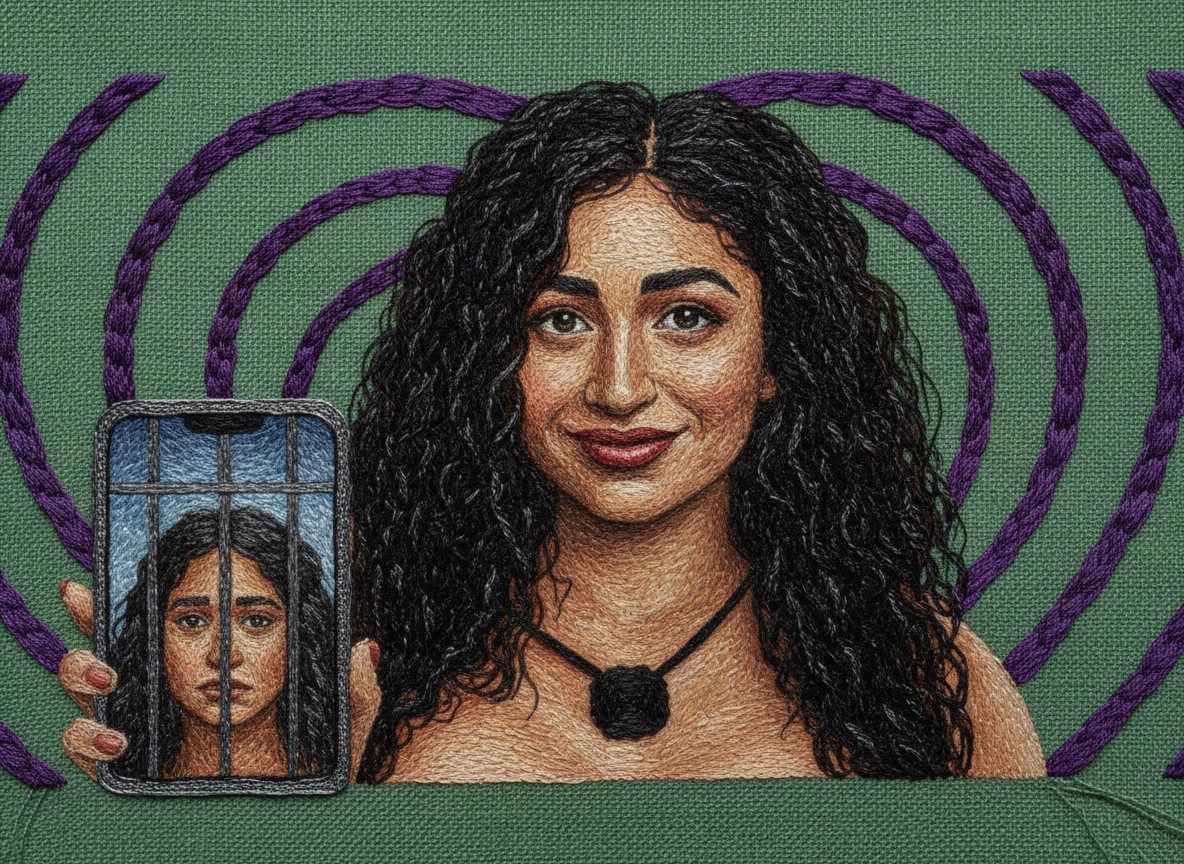
That wasn’t just a loss of clout. It was a visible rupture in social capital — a demotion, issued not by producers or official platforms, but by thousands of everyday users acting in unison. Cierra Ortega didn’t just fall out of favor — she was demoted in public rank.
Cancel culture is now data-driven. Sentiment analysis, unfollows, video responses — this is the new polling.
It’s faster. It’s public. And it’s brutal.
What took a year to build can collapse in 24 hours — and the next generation of leaders won’t just campaign for votes. They’ll campaign for trust in a surveilled attention economy where the audience is both judge and algorithm.
3. Influencer ≠ Fool. Influencer = Future Leaders (Sometimes)
We’ve long dismissed reality TV contestants as unserious. But here's the uncomfortable truth: They’re already performing many of the same skills we demand of political leaders.
Managing public narratives
Navigating opposition
Building coalitions
Accountability
Transparency
Public Apology
Surviving cancellation and bouncing back stronger
The influencer isn’t just a sideshow anymore — they’re preparing for the Red Carpets, the Kourtroom, and the Oval Office.
This doesn’t mean everyone on Love Island is leadership material. But it does mean we need to stop underestimating the skill set it takes to survive the digital public square.
Politicians who can manage their narrative like a content creator—transparent, reactive, but strategic—will dominate. Reality TV isn’t disqualifying; it’s training for public-facing leadership. The future politician is part digital creator, part community builder, part accountability sponge.
What This Means for All of Us
You may not be on Love Island. You may not be running for office.
But if you’re building anything — a business, a family, a brand — you are now navigating a world where every move is visible, measurable, and subject to collective opinion.
This season of Love Island USA wasn’t just hot mess TV. It became a real-time training ground for understanding how influence, power, and public opinion operate for a rising generation.
Power is granted via attention, not title. Accountability is now horizontal, not vertical.
We are watching a generation rewrite civic rituals into digital ones:
Voting with follows
Debating in comment sections
Investigation through your public and personal pages
This isn’t about whether you like reality TV. It’s about whether you understand what it’s modeling.
If we don’t guide this generation with context, humanity, and critical thinking — someone else will guide them with fear, outrage, and chaos.
Until next time, stay alert to the patterns beneath the platforms.
Let's chat again soon...
Gibz
Though traditionally dismissed as escapist entertainment, Love Island is doing more than showing young people how to flirt — It’s showing them how to wield collective judgment, perform identity politics, and participate in systems of public surveillance that, to many, feels like justice.
This summer, Love Island removed not one, but two contestants at the direct demand of the public. Fans didn’t just complain — they organized. They used social platforms as battlegrounds: posting video evidence, creating petitions, tracking behaviors across episodes like detectives. Within 48 hours, producers responded. Why? Because the numbers — and the noise — were too loud to ignore.
Sound familiar? It’s the same model we’re now seeing on the edges of political culture:
Speak out.
Gather your people.
Move quickly.
Demand accountability.
In the old world, voters had to wait four years to be heard. In the new world, views are votes, and followers are ballots.
3 Lessons from Love Island That Will Shape Our Future
1. Accountability Is No Longer Annual — It’s Hourly
The days of “wait until November” are over. A contestant’s questionable behavior is now publicly dissected within minutes — clipped into reels, analyzed on Reddit, and turned into petitions by morning.
This season didn’t just deliver drama — it showed us how quickly digital collectives now influence formal outcomes. The audience functioned as a decentralized moral court, demanding action. And the institution (in this case, the producers) complied.
Sociologists call this participatory justice — when informal communities organize and enforce consequences, outside of traditional systems.
The result? Reputation management is no longer a PR function. It’s survival.
2. Follower Count = Real-Time Social Sanction
This summer, we watched one contestant’s follower count soar past 800K, only to drop over 100K in a single night after a controversial choice.
That wasn’t just a loss of clout. It was a visible rupture in social capital — a demotion, issued not by producers or official platforms, but by thousands of everyday users acting in unison. Cierra Ortega didn’t just fall out of favor — she was demoted in public rank.
Cancel culture is now data-driven. Sentiment analysis, unfollows, video responses — this is the new polling.
It’s faster. It’s public. And it’s brutal.
What took a year to build can collapse in 24 hours — and the next generation of leaders won’t just campaign for votes. They’ll campaign for trust in a surveilled attention economy where the audience is both judge and algorithm.
3. Influencer ≠ Fool. Influencer = Future Leaders (Sometimes)
We’ve long dismissed reality TV contestants as unserious. But here's the uncomfortable truth: They’re already performing many of the same skills we demand of political leaders.
Managing public narratives
Navigating opposition
Building coalitions
Accountability
Transparency
Public Apology
Surviving cancellation and bouncing back stronger
The influencer isn’t just a sideshow anymore — they’re preparing for the Red Carpets, the Kourtroom, and the Oval Office.
This doesn’t mean everyone on Love Island is leadership material. But it does mean we need to stop underestimating the skill set it takes to survive the digital public square.
Politicians who can manage their narrative like a content creator—transparent, reactive, but strategic—will dominate. Reality TV isn’t disqualifying; it’s training for public-facing leadership. The future politician is part digital creator, part community builder, part accountability sponge.
What This Means for All of Us
You may not be on Love Island. You may not be running for office.
But if you’re building anything — a business, a family, a brand — you are now navigating a world where every move is visible, measurable, and subject to collective opinion.
This season of Love Island USA wasn’t just hot mess TV. It became a real-time training ground for understanding how influence, power, and public opinion operate for a rising generation.
Power is granted via attention, not title. Accountability is now horizontal, not vertical.
We are watching a generation rewrite civic rituals into digital ones:
Voting with follows
Debating in comment sections
Investigation through your public and personal pages
This isn’t about whether you like reality TV. It’s about whether you understand what it’s modeling.
If we don’t guide this generation with context, humanity, and critical thinking — someone else will guide them with fear, outrage, and chaos.
Until next time, stay alert to the patterns beneath the platforms.
Let's chat again soon...
Gibz
Though traditionally dismissed as escapist entertainment, Love Island is doing more than showing young people how to flirt — It’s showing them how to wield collective judgment, perform identity politics, and participate in systems of public surveillance that, to many, feels like justice.
This summer, Love Island removed not one, but two contestants at the direct demand of the public. Fans didn’t just complain — they organized. They used social platforms as battlegrounds: posting video evidence, creating petitions, tracking behaviors across episodes like detectives. Within 48 hours, producers responded. Why? Because the numbers — and the noise — were too loud to ignore.
Sound familiar? It’s the same model we’re now seeing on the edges of political culture:
Speak out.
Gather your people.
Move quickly.
Demand accountability.
In the old world, voters had to wait four years to be heard. In the new world, views are votes, and followers are ballots.
3 Lessons from Love Island That Will Shape Our Future
1. Accountability Is No Longer Annual — It’s Hourly
The days of “wait until November” are over. A contestant’s questionable behavior is now publicly dissected within minutes — clipped into reels, analyzed on Reddit, and turned into petitions by morning.
This season didn’t just deliver drama — it showed us how quickly digital collectives now influence formal outcomes. The audience functioned as a decentralized moral court, demanding action. And the institution (in this case, the producers) complied.
Sociologists call this participatory justice — when informal communities organize and enforce consequences, outside of traditional systems.
The result? Reputation management is no longer a PR function. It’s survival.
2. Follower Count = Real-Time Social Sanction
This summer, we watched one contestant’s follower count soar past 800K, only to drop over 100K in a single night after a controversial choice.
That wasn’t just a loss of clout. It was a visible rupture in social capital — a demotion, issued not by producers or official platforms, but by thousands of everyday users acting in unison. Cierra Ortega didn’t just fall out of favor — she was demoted in public rank.
Cancel culture is now data-driven. Sentiment analysis, unfollows, video responses — this is the new polling.
It’s faster. It’s public. And it’s brutal.
What took a year to build can collapse in 24 hours — and the next generation of leaders won’t just campaign for votes. They’ll campaign for trust in a surveilled attention economy where the audience is both judge and algorithm.
3. Influencer ≠ Fool. Influencer = Future Leaders (Sometimes)
We’ve long dismissed reality TV contestants as unserious. But here's the uncomfortable truth: They’re already performing many of the same skills we demand of political leaders.
Managing public narratives
Navigating opposition
Building coalitions
Accountability
Transparency
Public Apology
Surviving cancellation and bouncing back stronger
The influencer isn’t just a sideshow anymore — they’re preparing for the Red Carpets, the Kourtroom, and the Oval Office.
This doesn’t mean everyone on Love Island is leadership material. But it does mean we need to stop underestimating the skill set it takes to survive the digital public square.
Politicians who can manage their narrative like a content creator—transparent, reactive, but strategic—will dominate. Reality TV isn’t disqualifying; it’s training for public-facing leadership. The future politician is part digital creator, part community builder, part accountability sponge.
What This Means for All of Us
You may not be on Love Island. You may not be running for office.
But if you’re building anything — a business, a family, a brand — you are now navigating a world where every move is visible, measurable, and subject to collective opinion.
This season of Love Island USA wasn’t just hot mess TV. It became a real-time training ground for understanding how influence, power, and public opinion operate for a rising generation.
Power is granted via attention, not title. Accountability is now horizontal, not vertical.
We are watching a generation rewrite civic rituals into digital ones:
Voting with follows
Debating in comment sections
Investigation through your public and personal pages
This isn’t about whether you like reality TV. It’s about whether you understand what it’s modeling.
If we don’t guide this generation with context, humanity, and critical thinking — someone else will guide them with fear, outrage, and chaos.
Until next time, stay alert to the patterns beneath the platforms.
Let's chat again soon...
Gibz
My mission is to
Help you create and earn on your terms.
No spam, unsubscribe anytime.