Brand & Influence

3 min read

Occupational Celebrities
Be the first to know about every new letter.

No spam, unsubscribe anytime.

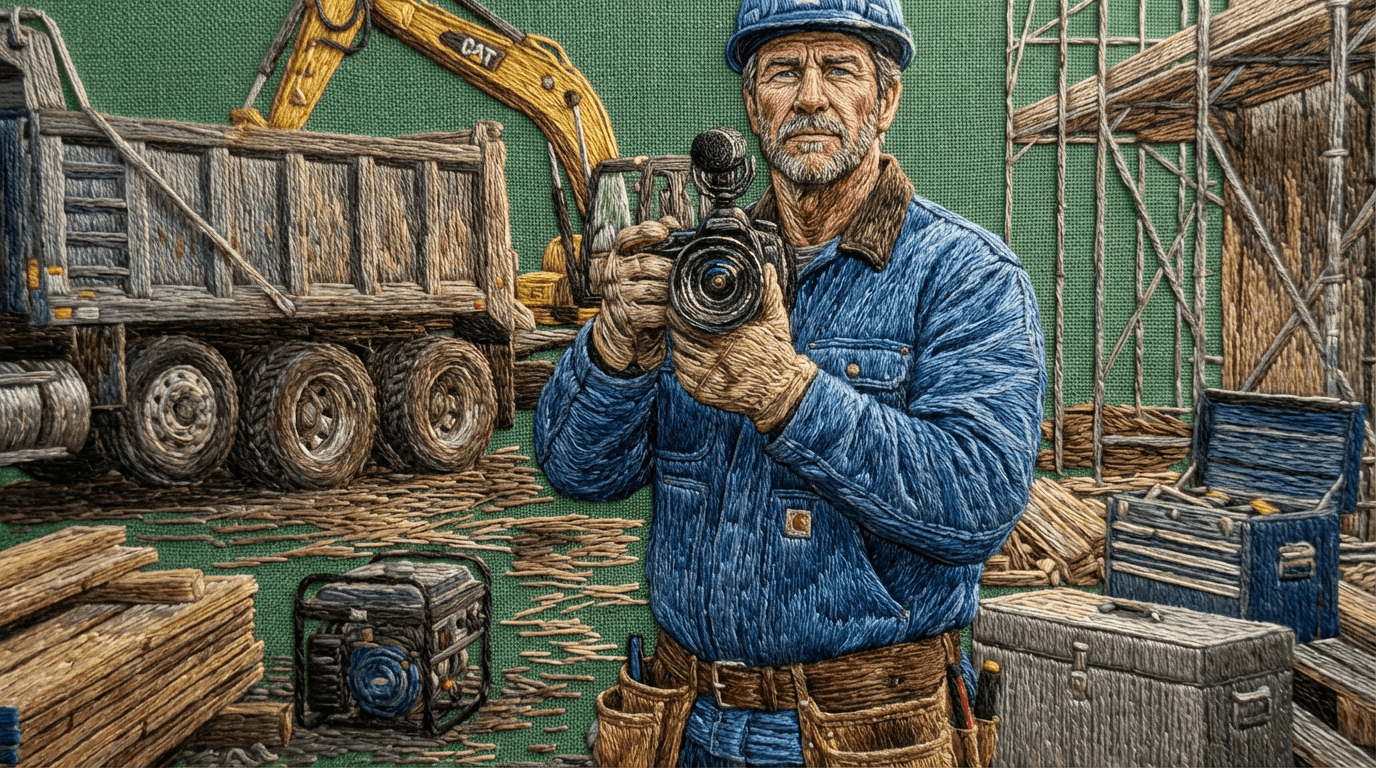
While brands pour millions into polished campaigns, the accounts outperforming them are… occupational celebrities.

  • Take Puma from Applewood Landscaping, the unexpected face of a crew that has turned job-site moments into a social empire.

  • Or SB Mowing, whose lawn-cleanup videos feel like episodes of a workplace documentary.

  • Or Diesel Creek, building a loyal fanbase through machinery fixes and stubborn problem-solving.

  • Or Travis Collins, turning construction humor into a relatable male soap opera.

  • Or Mike Rowe, the original storyteller who made dirty jobs feel noble, cinematic, and culturally essential.

Different industries. Different personalities. Same magnetic pull.

Why?

Because each of them has tapped into the five laws of unintentional marketing — the kind brands spend millions trying to imitate but rarely achieve.

1. They don’t market the work. They market the worker.

When you watch Puma sprint across a lawn or SB Mowing talk to a neighbor mid-cleanup, you’re not watching landscaping. You’re watching a character in his natural environment.

This is the secret: People don’t follow tasks. They follow personalities performing tasks.

This is the oldest rule in entertainment, and yet brands forget it constantly.

2. They let the audience witness competence in real time.

There is something addictive about visible skill:

  • Diesel Creek diagnosing a machine by sound

  • SB Mowing transforming a yard that looks impossible

  • Travis Collins solving problems with builder improvisation

  • Mike Rowe narrating the mindset of everyday labor

They show competence, not polish — and competence builds trust quicker than hashtags ever will.

3. They keep the camera running during the moments brands would cut.

The look Puma gives the camera. The unexpected neighbor showing up in SB Mowing’s videos. Diesel Creek wrestling with a part that doesn’t fit. Mike Rowe admitting he’s terrified, disgusted, or confused.

Brands edit out friction. Workers leave it in.

And that’s what makes the content feel alive.

4. Their world feels like a real place, not a branded set.

Each of these creators has something rare: lore.

Their videos build a world with recurring characters, inside jokes, and ongoing arcs:

  • the Applewood Landscaping crew

  • SB Mowing’s recurring homeowners

  • Diesel Creek’s shop dogs

  • Travis Collins’ coworkers

  • Mike Rowe’s entire universe of America at work

Lore is the new currency of marketing. When viewers feel like they’ve entered a world, they stay.

5. They don’t chase the algorithm — they feed it.

Nothing is overproduced. Nothing is forced.

Their content is:

✔ repeatable ✔ raw ✔ human ✔ familiar ✔ consistent

The algorithm likes predictability. Audiences like comfort. These creators provide both without ever thinking “content strategy.”

The Thread: Unpolished Human Confidence

What truly ties Puma, SB Mowing, Diesel Creek, Travis Collins, and Mike Rowe together is this:

They make the audience feel like they’re standing next to them. Not watching them. Standing beside them. Hearing the work, feeling the weather, absorbing the atmosphere.

Brands build distance. Workers build proximity.

And proximity is powerful.

What Executives Should Take From This

If a landscaping crew and a mower operator can outperform multimillion-dollar campaigns, it means the future of marketing will not belong to the polished or the perfect.

It will belong to:

  • the person who shows up as themselves

  • the team with real dynamics

  • the worker who is competent and unfiltered

  • the storyteller who doesn’t pretend

The next era of influence isn’t aspirational. It’s occupational.

Let’s chat again soon…

Gibz

While brands pour millions into polished campaigns, the accounts outperforming them are… occupational celebrities.

  • Take Puma from Applewood Landscaping, the unexpected face of a crew that has turned job-site moments into a social empire.

  • Or SB Mowing, whose lawn-cleanup videos feel like episodes of a workplace documentary.

  • Or Diesel Creek, building a loyal fanbase through machinery fixes and stubborn problem-solving.

  • Or Travis Collins, turning construction humor into a relatable male soap opera.

  • Or Mike Rowe, the original storyteller who made dirty jobs feel noble, cinematic, and culturally essential.

Different industries. Different personalities. Same magnetic pull.

Why?

Because each of them has tapped into the five laws of unintentional marketing — the kind brands spend millions trying to imitate but rarely achieve.

1. They don’t market the work. They market the worker.

When you watch Puma sprint across a lawn or SB Mowing talk to a neighbor mid-cleanup, you’re not watching landscaping. You’re watching a character in his natural environment.

This is the secret: People don’t follow tasks. They follow personalities performing tasks.

This is the oldest rule in entertainment, and yet brands forget it constantly.

2. They let the audience witness competence in real time.

There is something addictive about visible skill:

  • Diesel Creek diagnosing a machine by sound

  • SB Mowing transforming a yard that looks impossible

  • Travis Collins solving problems with builder improvisation

  • Mike Rowe narrating the mindset of everyday labor

They show competence, not polish — and competence builds trust quicker than hashtags ever will.

3. They keep the camera running during the moments brands would cut.

The look Puma gives the camera. The unexpected neighbor showing up in SB Mowing’s videos. Diesel Creek wrestling with a part that doesn’t fit. Mike Rowe admitting he’s terrified, disgusted, or confused.

Brands edit out friction. Workers leave it in.

And that’s what makes the content feel alive.

4. Their world feels like a real place, not a branded set.

Each of these creators has something rare: lore.

Their videos build a world with recurring characters, inside jokes, and ongoing arcs:

  • the Applewood Landscaping crew

  • SB Mowing’s recurring homeowners

  • Diesel Creek’s shop dogs

  • Travis Collins’ coworkers

  • Mike Rowe’s entire universe of America at work

Lore is the new currency of marketing. When viewers feel like they’ve entered a world, they stay.

5. They don’t chase the algorithm — they feed it.

Nothing is overproduced. Nothing is forced.

Their content is:

✔ repeatable ✔ raw ✔ human ✔ familiar ✔ consistent

The algorithm likes predictability. Audiences like comfort. These creators provide both without ever thinking “content strategy.”

The Thread: Unpolished Human Confidence

What truly ties Puma, SB Mowing, Diesel Creek, Travis Collins, and Mike Rowe together is this:

They make the audience feel like they’re standing next to them. Not watching them. Standing beside them. Hearing the work, feeling the weather, absorbing the atmosphere.

Brands build distance. Workers build proximity.

And proximity is powerful.

What Executives Should Take From This

If a landscaping crew and a mower operator can outperform multimillion-dollar campaigns, it means the future of marketing will not belong to the polished or the perfect.

It will belong to:

  • the person who shows up as themselves

  • the team with real dynamics

  • the worker who is competent and unfiltered

  • the storyteller who doesn’t pretend

The next era of influence isn’t aspirational. It’s occupational.

Let’s chat again soon…

Gibz

While brands pour millions into polished campaigns, the accounts outperforming them are… occupational celebrities.

  • Take Puma from Applewood Landscaping, the unexpected face of a crew that has turned job-site moments into a social empire.

  • Or SB Mowing, whose lawn-cleanup videos feel like episodes of a workplace documentary.

  • Or Diesel Creek, building a loyal fanbase through machinery fixes and stubborn problem-solving.

  • Or Travis Collins, turning construction humor into a relatable male soap opera.

  • Or Mike Rowe, the original storyteller who made dirty jobs feel noble, cinematic, and culturally essential.

Different industries. Different personalities. Same magnetic pull.

Why?

Because each of them has tapped into the five laws of unintentional marketing — the kind brands spend millions trying to imitate but rarely achieve.

1. They don’t market the work. They market the worker.

When you watch Puma sprint across a lawn or SB Mowing talk to a neighbor mid-cleanup, you’re not watching landscaping. You’re watching a character in his natural environment.

This is the secret: People don’t follow tasks. They follow personalities performing tasks.

This is the oldest rule in entertainment, and yet brands forget it constantly.

2. They let the audience witness competence in real time.

There is something addictive about visible skill:

  • Diesel Creek diagnosing a machine by sound

  • SB Mowing transforming a yard that looks impossible

  • Travis Collins solving problems with builder improvisation

  • Mike Rowe narrating the mindset of everyday labor

They show competence, not polish — and competence builds trust quicker than hashtags ever will.

3. They keep the camera running during the moments brands would cut.

The look Puma gives the camera. The unexpected neighbor showing up in SB Mowing’s videos. Diesel Creek wrestling with a part that doesn’t fit. Mike Rowe admitting he’s terrified, disgusted, or confused.

Brands edit out friction. Workers leave it in.

And that’s what makes the content feel alive.

4. Their world feels like a real place, not a branded set.

Each of these creators has something rare: lore.

Their videos build a world with recurring characters, inside jokes, and ongoing arcs:

  • the Applewood Landscaping crew

  • SB Mowing’s recurring homeowners

  • Diesel Creek’s shop dogs

  • Travis Collins’ coworkers

  • Mike Rowe’s entire universe of America at work

Lore is the new currency of marketing. When viewers feel like they’ve entered a world, they stay.

5. They don’t chase the algorithm — they feed it.

Nothing is overproduced. Nothing is forced.

Their content is:

✔ repeatable ✔ raw ✔ human ✔ familiar ✔ consistent

The algorithm likes predictability. Audiences like comfort. These creators provide both without ever thinking “content strategy.”

The Thread: Unpolished Human Confidence

What truly ties Puma, SB Mowing, Diesel Creek, Travis Collins, and Mike Rowe together is this:

They make the audience feel like they’re standing next to them. Not watching them. Standing beside them. Hearing the work, feeling the weather, absorbing the atmosphere.

Brands build distance. Workers build proximity.

And proximity is powerful.

What Executives Should Take From This

If a landscaping crew and a mower operator can outperform multimillion-dollar campaigns, it means the future of marketing will not belong to the polished or the perfect.

It will belong to:

  • the person who shows up as themselves

  • the team with real dynamics

  • the worker who is competent and unfiltered

  • the storyteller who doesn’t pretend

The next era of influence isn’t aspirational. It’s occupational.

Let’s chat again soon…

Gibz

My mission is to

Help you create and earn on your terms.

No spam, unsubscribe anytime.

My mission is to

Help you create and earn on your terms.

No spam, unsubscribe anytime.

My mission is to

Help you create and earn on your terms.

No spam, unsubscribe anytime.