Influencers to CEOs


Be the first to know about every new letter.
No spam, unsubscribe anytime.
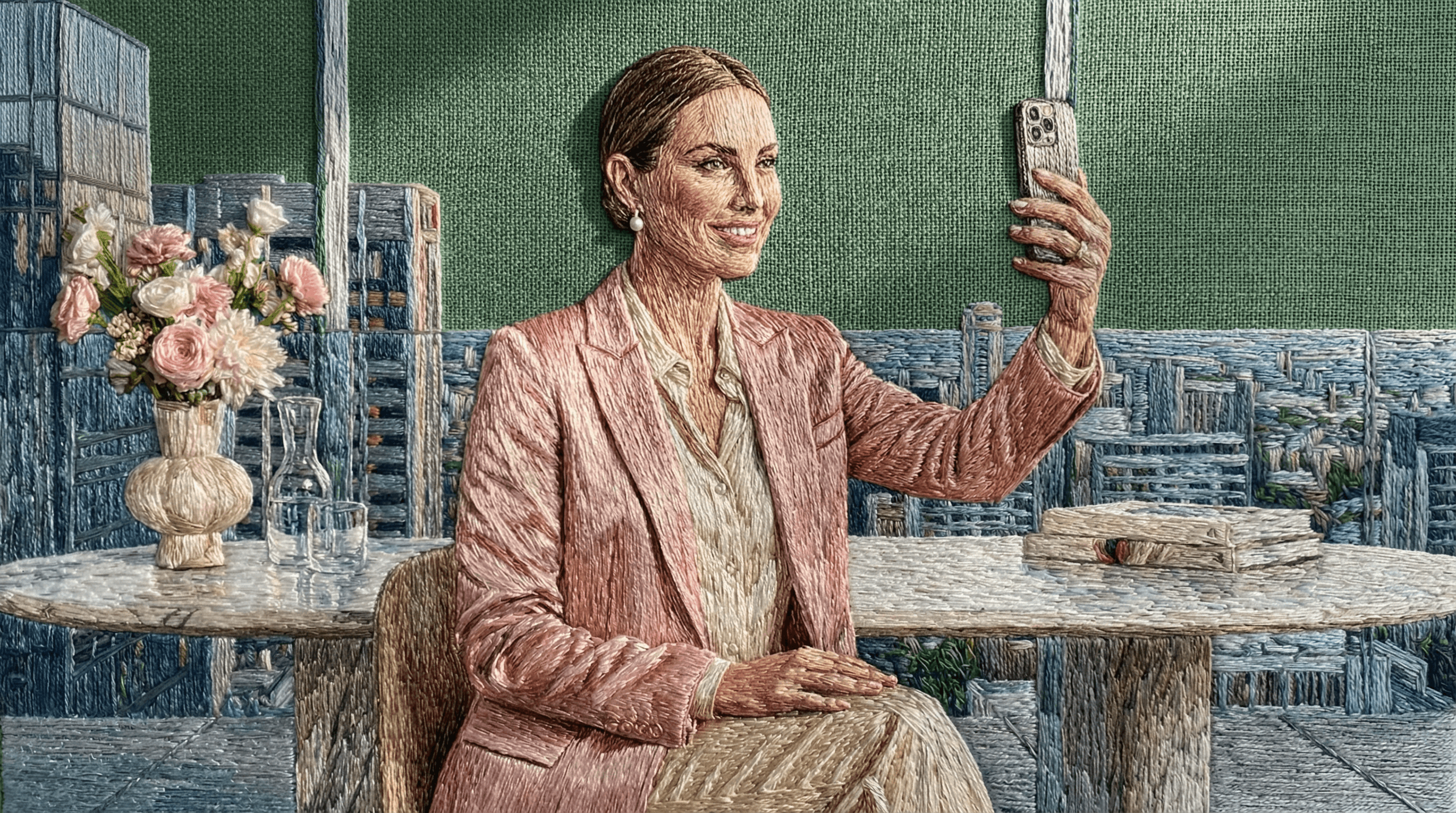
Everywhere you look, young women are building audiences not by climbing a company’s hierarchy, but by sharing what seem like “silly little videos.” An outfit of the day. A GRWM routine. A dance in a dorm room. A piece of advice filmed on the walk to class. To the casual viewer, it’s entertainment. To the savvy observer, it’s a case study in branding, storytelling, and influence.
They’re building ladders of their own—ladders that climb higher, faster, and more freely than the ones corporate structures ever offered. That’s the theme threading our five stories together. They’ve transformed attention into credibility, community into commerce, and self-presentation into prestige.
Kylan Darnell – The RushTok Breakout
| Instagram | TikTok | YouTube |
Kylan first entered the spotlight as Miss Ohio Teen USA 2022, but her digital breakthrough came when she documented her sorority recruitment journey on TikTok. What started as simple outfit-of-the-day videos exploded into 1.2M followers and 85M+ likes, turning a campus tradition into a digital stage. Since then, she’s leveraged her audience for media appearances, sponsorships, and a career foundation that didn’t wait for graduation.
Prediction: Kylan’s rise wasn’t accidental—it was rooted in the platform of Greek life. Sorority recruitment has always conferred status, but now it functions like a never-ending reality TV show. By joining the process, she gained not just a chapter, but a stage—and that stage turned into millions of views and brand opportunities. As more girls choose to cash in on that visibility, the question becomes urgent: how do we maintain the private values Greek life was designed to teach, while navigating the public spectacle that now generates real business revenue?
Why it matters: For business leaders, Kylan’s story reveals both opportunity and responsibility. Recruitment week alone drew billions of TikTok views—numbers that rival broadcast television—but influence is fragile. The same spotlight that creates meteoric rise can just as quickly shift, taking brands along with it. Within Greek life, reputations ripple: one misstep with a partner can close doors across an entire network. For businesses, the lesson is simple—partner with care, protect the people behind the influence, and remember that sisterhood is more than a stage; it’s a shield. Respect it, and you earn long-term loyalty. Exploit it, and you risk losing not just one creator, but an entire community.
Alix Earle – The GRWM Mogul
| Instagram | TikTok | YouTube |
Alix became a TikTok phenomenon by inviting viewers into her daily routine with “Get Ready With Me” videos. Her unfiltered style resonated, and she quickly scaled to 7M followers, earning Forbes 30 Under 30 honors and landing high-profile brand partnerships with Poppi and beyond. What started in her dorm room has now made her one of Gen Z’s most powerful digital tastemakers.
Prediction: Publicity is no longer a stunt orchestrated by Hollywood or PR teams. It’s the air we breathe. A person can record you as easily as you can record yourself, and virality doesn’t wait for permission. As we watch regular girls become famous through nothing more than a front-facing camera, we’ll also see more businesswomen emerge—leveraging opportunities both handed to them and pursued with intention.
Why it matters: Alix shows us that authenticity is the new prestige. Her GRWM videos blurred the line between private life and public brand, building 7M followers and global partnerships. But the Coldplay CEO incident proved the flip side: off-screen behavior can undo on-screen influence in an instant. For executives, the lesson is clear—authenticity isn’t just content; it’s conduct. In this era, leadership means being the same person off camera as you are on it, because the camera is always on.
Becca Bloom – Student to Startup Founder
| Instagram | TikTok | YouTube |
With 4.2M followers and 120M+ likes, Becca leveraged her digital audience to become a multi-hyphenate entrepreneur while still in college. She founded Studipal, a tutoring platform, and Hearth, a lifestyle tech company. She was named to Time’s 100 Best Creators, cementing her as a rising force in both creator culture and business.
Prediction: A teenager can operate like a Fortune 500 team. The barrier to starting a company has collapsed. What once required offices, staff, and venture funding can now be done with a laptop, an audience, and AI. Startup costs are near zero, and the tools that once lived only inside corporations—design, research, marketing, even legal support—are increasingly automated and accessible to anyone.
Why it matters: Becca shows us what happens when you combine business literacy with digital capital. This is the future of business formation. Students and young creators won’t just test ideas, they’ll scale them—quickly, cheaply, and globally. For legacy companies, the risk is losing not only the best young talent but also market share to companies that cost less to run and adapt faster. In the AI era, young entrepreneurs aren’t waiting to join corporations; they’re building the corporations that will outlast them.
Jalaiah Harmon – The Viral Architect
| Instagram | TikTok | YouTube |
At just 14, Jalaiah created the “Renegade” dance, which became one of TikTok’s most iconic viral exports. Despite initially not being credited, she used her platform to push the conversation around creator rights, equity, and recognition. With 3.3M followers, she has since performed at the NBA All-Star Game and continues to advocate for fair acknowledgment of digital creators.
Prediction: In the digital economy, cultural ownership is no longer just a legal fight—it’s an emotional one. What matters isn’t only who holds the rights, but who the public believes deserves them. A single creator’s claim can rally millions, shifting power away from corporations and toward individuals who can make the world care.
Why it matters: Jalaiah’s “Renegade” wasn’t just a viral dance—it was a global moment where audiences demanded she be credited. That collective reaction is the real disruption. For business leaders, the lesson is sharp: cultural equity is decided in the court of public opinion, not just in contracts. And when people care, that care can outweigh even financial equity, reshaping reputation and loyalty in real time.
Cristine Rotenberg – From YouTube to CEO
| Instagram | TikTok | YouTube |
Known as “Simply Nailogical” on YouTube, Cristine grew her channel to 7.2M subscribers and 1.8B views. Instead of climbing a corporate beauty ladder, she launched Holo Taco, a nail polish brand that has sold over 1M bottles and secured retail placement in Ulta. She turned niche content into a mainstream consumer brand.
Prediction: The future of business won’t be about convincing gatekeepers—it will be about convincing communities. Niche creators won’t pitch their ideas up the chain of traditional industries; they’ll sell them sideways, directly to the people who already trust them. Distribution is no longer a privilege granted by shelf space—it’s baked into audience loyalty.
Why it matters: Cristine didn’t wait for a beauty conglomerate to greenlight her idea—she turned her following into a marketplace and sold over a million bottles of polish. Her story forces a question every executive should wrestle with: if community itself is the new supply chain, what’s left to defend about the old one?
Why This Moment Matters for Women
Influencing is no longer a side hustle—it’s an industry projected at $33 billion in 2025. Micro-influencers can deliver up to 18× ROI compared to traditional advertising. Platforms like TikTok reward creativity over corporate polish. That means a college woman with an iPhone can outperform a Fortune 500 marketing department in reach and engagement.
And now, AI changes the game entirely. With automation, branding tools, and instant content generation, you don’t need a full staff to run a competitive company—you can be a solo competitive entity.
The Shift We’re About to See
As AI reduces the need for large corporate workforces, the script flips: women who have never sat in a corner office will suddenly have both the tools—and the audience—to be the corporate entity.
The question isn’t whether these women will have the skills—it’s whether they’ll choose to work for a company or create one. Many will graduate with thousands in social capital, loyal audiences, and in some cases, significant financial resources. Why climb a corporate ladder when you can build your own?
And here’s the part big brands should fear: influencers learn business at the speed of trend cycles. Corporations update at the speed of quarterly reports. The agility gap will be brutal. We will watch in real time as women-led personal brands outpace legacy companies in audience growth, innovation, and cultural relevance.
Your Playbook if You’re One of Them:
Think like a showrunner. Build a story arc your audience can follow.
Leverage AI as your unpaid staff. From market research to campaign design, it’s your 24/7 operations team.
Monetize with intention. Convert attention into email lists, memberships, and products you own.
Treat your community as your moat. The stronger their bond with you, the harder it is for competitors to touch you.
The Prediction
In the next five years, we’ll see a new class of women emerge—not just as influencers, but as CEOs of companies they built from their dorm rooms, coffee tables, or phones.
Let's chat again soon...
Gibz
_Gibz_Media: Schedule a Call | INSTAGRAM | FACEBOOK | YOUTUBE | LINKEDIN |
Everywhere you look, young women are building audiences not by climbing a company’s hierarchy, but by sharing what seem like “silly little videos.” An outfit of the day. A GRWM routine. A dance in a dorm room. A piece of advice filmed on the walk to class. To the casual viewer, it’s entertainment. To the savvy observer, it’s a case study in branding, storytelling, and influence.
They’re building ladders of their own—ladders that climb higher, faster, and more freely than the ones corporate structures ever offered. That’s the theme threading our five stories together. They’ve transformed attention into credibility, community into commerce, and self-presentation into prestige.
Kylan Darnell – The RushTok Breakout
| Instagram | TikTok | YouTube |
Kylan first entered the spotlight as Miss Ohio Teen USA 2022, but her digital breakthrough came when she documented her sorority recruitment journey on TikTok. What started as simple outfit-of-the-day videos exploded into 1.2M followers and 85M+ likes, turning a campus tradition into a digital stage. Since then, she’s leveraged her audience for media appearances, sponsorships, and a career foundation that didn’t wait for graduation.
Prediction: Kylan’s rise wasn’t accidental—it was rooted in the platform of Greek life. Sorority recruitment has always conferred status, but now it functions like a never-ending reality TV show. By joining the process, she gained not just a chapter, but a stage—and that stage turned into millions of views and brand opportunities. As more girls choose to cash in on that visibility, the question becomes urgent: how do we maintain the private values Greek life was designed to teach, while navigating the public spectacle that now generates real business revenue?
Why it matters: For business leaders, Kylan’s story reveals both opportunity and responsibility. Recruitment week alone drew billions of TikTok views—numbers that rival broadcast television—but influence is fragile. The same spotlight that creates meteoric rise can just as quickly shift, taking brands along with it. Within Greek life, reputations ripple: one misstep with a partner can close doors across an entire network. For businesses, the lesson is simple—partner with care, protect the people behind the influence, and remember that sisterhood is more than a stage; it’s a shield. Respect it, and you earn long-term loyalty. Exploit it, and you risk losing not just one creator, but an entire community.
Alix Earle – The GRWM Mogul
| Instagram | TikTok | YouTube |
Alix became a TikTok phenomenon by inviting viewers into her daily routine with “Get Ready With Me” videos. Her unfiltered style resonated, and she quickly scaled to 7M followers, earning Forbes 30 Under 30 honors and landing high-profile brand partnerships with Poppi and beyond. What started in her dorm room has now made her one of Gen Z’s most powerful digital tastemakers.
Prediction: Publicity is no longer a stunt orchestrated by Hollywood or PR teams. It’s the air we breathe. A person can record you as easily as you can record yourself, and virality doesn’t wait for permission. As we watch regular girls become famous through nothing more than a front-facing camera, we’ll also see more businesswomen emerge—leveraging opportunities both handed to them and pursued with intention.
Why it matters: Alix shows us that authenticity is the new prestige. Her GRWM videos blurred the line between private life and public brand, building 7M followers and global partnerships. But the Coldplay CEO incident proved the flip side: off-screen behavior can undo on-screen influence in an instant. For executives, the lesson is clear—authenticity isn’t just content; it’s conduct. In this era, leadership means being the same person off camera as you are on it, because the camera is always on.
Becca Bloom – Student to Startup Founder
| Instagram | TikTok | YouTube |
With 4.2M followers and 120M+ likes, Becca leveraged her digital audience to become a multi-hyphenate entrepreneur while still in college. She founded Studipal, a tutoring platform, and Hearth, a lifestyle tech company. She was named to Time’s 100 Best Creators, cementing her as a rising force in both creator culture and business.
Prediction: A teenager can operate like a Fortune 500 team. The barrier to starting a company has collapsed. What once required offices, staff, and venture funding can now be done with a laptop, an audience, and AI. Startup costs are near zero, and the tools that once lived only inside corporations—design, research, marketing, even legal support—are increasingly automated and accessible to anyone.
Why it matters: Becca shows us what happens when you combine business literacy with digital capital. This is the future of business formation. Students and young creators won’t just test ideas, they’ll scale them—quickly, cheaply, and globally. For legacy companies, the risk is losing not only the best young talent but also market share to companies that cost less to run and adapt faster. In the AI era, young entrepreneurs aren’t waiting to join corporations; they’re building the corporations that will outlast them.
Jalaiah Harmon – The Viral Architect
| Instagram | TikTok | YouTube |
At just 14, Jalaiah created the “Renegade” dance, which became one of TikTok’s most iconic viral exports. Despite initially not being credited, she used her platform to push the conversation around creator rights, equity, and recognition. With 3.3M followers, she has since performed at the NBA All-Star Game and continues to advocate for fair acknowledgment of digital creators.
Prediction: In the digital economy, cultural ownership is no longer just a legal fight—it’s an emotional one. What matters isn’t only who holds the rights, but who the public believes deserves them. A single creator’s claim can rally millions, shifting power away from corporations and toward individuals who can make the world care.
Why it matters: Jalaiah’s “Renegade” wasn’t just a viral dance—it was a global moment where audiences demanded she be credited. That collective reaction is the real disruption. For business leaders, the lesson is sharp: cultural equity is decided in the court of public opinion, not just in contracts. And when people care, that care can outweigh even financial equity, reshaping reputation and loyalty in real time.
Cristine Rotenberg – From YouTube to CEO
| Instagram | TikTok | YouTube |
Known as “Simply Nailogical” on YouTube, Cristine grew her channel to 7.2M subscribers and 1.8B views. Instead of climbing a corporate beauty ladder, she launched Holo Taco, a nail polish brand that has sold over 1M bottles and secured retail placement in Ulta. She turned niche content into a mainstream consumer brand.
Prediction: The future of business won’t be about convincing gatekeepers—it will be about convincing communities. Niche creators won’t pitch their ideas up the chain of traditional industries; they’ll sell them sideways, directly to the people who already trust them. Distribution is no longer a privilege granted by shelf space—it’s baked into audience loyalty.
Why it matters: Cristine didn’t wait for a beauty conglomerate to greenlight her idea—she turned her following into a marketplace and sold over a million bottles of polish. Her story forces a question every executive should wrestle with: if community itself is the new supply chain, what’s left to defend about the old one?
Why This Moment Matters for Women
Influencing is no longer a side hustle—it’s an industry projected at $33 billion in 2025. Micro-influencers can deliver up to 18× ROI compared to traditional advertising. Platforms like TikTok reward creativity over corporate polish. That means a college woman with an iPhone can outperform a Fortune 500 marketing department in reach and engagement.
And now, AI changes the game entirely. With automation, branding tools, and instant content generation, you don’t need a full staff to run a competitive company—you can be a solo competitive entity.
The Shift We’re About to See
As AI reduces the need for large corporate workforces, the script flips: women who have never sat in a corner office will suddenly have both the tools—and the audience—to be the corporate entity.
The question isn’t whether these women will have the skills—it’s whether they’ll choose to work for a company or create one. Many will graduate with thousands in social capital, loyal audiences, and in some cases, significant financial resources. Why climb a corporate ladder when you can build your own?
And here’s the part big brands should fear: influencers learn business at the speed of trend cycles. Corporations update at the speed of quarterly reports. The agility gap will be brutal. We will watch in real time as women-led personal brands outpace legacy companies in audience growth, innovation, and cultural relevance.
Your Playbook if You’re One of Them:
Think like a showrunner. Build a story arc your audience can follow.
Leverage AI as your unpaid staff. From market research to campaign design, it’s your 24/7 operations team.
Monetize with intention. Convert attention into email lists, memberships, and products you own.
Treat your community as your moat. The stronger their bond with you, the harder it is for competitors to touch you.
The Prediction
In the next five years, we’ll see a new class of women emerge—not just as influencers, but as CEOs of companies they built from their dorm rooms, coffee tables, or phones.
Let's chat again soon...
Gibz
_Gibz_Media: Schedule a Call | INSTAGRAM | FACEBOOK | YOUTUBE | LINKEDIN |
Everywhere you look, young women are building audiences not by climbing a company’s hierarchy, but by sharing what seem like “silly little videos.” An outfit of the day. A GRWM routine. A dance in a dorm room. A piece of advice filmed on the walk to class. To the casual viewer, it’s entertainment. To the savvy observer, it’s a case study in branding, storytelling, and influence.
They’re building ladders of their own—ladders that climb higher, faster, and more freely than the ones corporate structures ever offered. That’s the theme threading our five stories together. They’ve transformed attention into credibility, community into commerce, and self-presentation into prestige.
Kylan Darnell – The RushTok Breakout
| Instagram | TikTok | YouTube |
Kylan first entered the spotlight as Miss Ohio Teen USA 2022, but her digital breakthrough came when she documented her sorority recruitment journey on TikTok. What started as simple outfit-of-the-day videos exploded into 1.2M followers and 85M+ likes, turning a campus tradition into a digital stage. Since then, she’s leveraged her audience for media appearances, sponsorships, and a career foundation that didn’t wait for graduation.
Prediction: Kylan’s rise wasn’t accidental—it was rooted in the platform of Greek life. Sorority recruitment has always conferred status, but now it functions like a never-ending reality TV show. By joining the process, she gained not just a chapter, but a stage—and that stage turned into millions of views and brand opportunities. As more girls choose to cash in on that visibility, the question becomes urgent: how do we maintain the private values Greek life was designed to teach, while navigating the public spectacle that now generates real business revenue?
Why it matters: For business leaders, Kylan’s story reveals both opportunity and responsibility. Recruitment week alone drew billions of TikTok views—numbers that rival broadcast television—but influence is fragile. The same spotlight that creates meteoric rise can just as quickly shift, taking brands along with it. Within Greek life, reputations ripple: one misstep with a partner can close doors across an entire network. For businesses, the lesson is simple—partner with care, protect the people behind the influence, and remember that sisterhood is more than a stage; it’s a shield. Respect it, and you earn long-term loyalty. Exploit it, and you risk losing not just one creator, but an entire community.
Alix Earle – The GRWM Mogul
| Instagram | TikTok | YouTube |
Alix became a TikTok phenomenon by inviting viewers into her daily routine with “Get Ready With Me” videos. Her unfiltered style resonated, and she quickly scaled to 7M followers, earning Forbes 30 Under 30 honors and landing high-profile brand partnerships with Poppi and beyond. What started in her dorm room has now made her one of Gen Z’s most powerful digital tastemakers.
Prediction: Publicity is no longer a stunt orchestrated by Hollywood or PR teams. It’s the air we breathe. A person can record you as easily as you can record yourself, and virality doesn’t wait for permission. As we watch regular girls become famous through nothing more than a front-facing camera, we’ll also see more businesswomen emerge—leveraging opportunities both handed to them and pursued with intention.
Why it matters: Alix shows us that authenticity is the new prestige. Her GRWM videos blurred the line between private life and public brand, building 7M followers and global partnerships. But the Coldplay CEO incident proved the flip side: off-screen behavior can undo on-screen influence in an instant. For executives, the lesson is clear—authenticity isn’t just content; it’s conduct. In this era, leadership means being the same person off camera as you are on it, because the camera is always on.
Becca Bloom – Student to Startup Founder
| Instagram | TikTok | YouTube |
With 4.2M followers and 120M+ likes, Becca leveraged her digital audience to become a multi-hyphenate entrepreneur while still in college. She founded Studipal, a tutoring platform, and Hearth, a lifestyle tech company. She was named to Time’s 100 Best Creators, cementing her as a rising force in both creator culture and business.
Prediction: A teenager can operate like a Fortune 500 team. The barrier to starting a company has collapsed. What once required offices, staff, and venture funding can now be done with a laptop, an audience, and AI. Startup costs are near zero, and the tools that once lived only inside corporations—design, research, marketing, even legal support—are increasingly automated and accessible to anyone.
Why it matters: Becca shows us what happens when you combine business literacy with digital capital. This is the future of business formation. Students and young creators won’t just test ideas, they’ll scale them—quickly, cheaply, and globally. For legacy companies, the risk is losing not only the best young talent but also market share to companies that cost less to run and adapt faster. In the AI era, young entrepreneurs aren’t waiting to join corporations; they’re building the corporations that will outlast them.
Jalaiah Harmon – The Viral Architect
| Instagram | TikTok | YouTube |
At just 14, Jalaiah created the “Renegade” dance, which became one of TikTok’s most iconic viral exports. Despite initially not being credited, she used her platform to push the conversation around creator rights, equity, and recognition. With 3.3M followers, she has since performed at the NBA All-Star Game and continues to advocate for fair acknowledgment of digital creators.
Prediction: In the digital economy, cultural ownership is no longer just a legal fight—it’s an emotional one. What matters isn’t only who holds the rights, but who the public believes deserves them. A single creator’s claim can rally millions, shifting power away from corporations and toward individuals who can make the world care.
Why it matters: Jalaiah’s “Renegade” wasn’t just a viral dance—it was a global moment where audiences demanded she be credited. That collective reaction is the real disruption. For business leaders, the lesson is sharp: cultural equity is decided in the court of public opinion, not just in contracts. And when people care, that care can outweigh even financial equity, reshaping reputation and loyalty in real time.
Cristine Rotenberg – From YouTube to CEO
| Instagram | TikTok | YouTube |
Known as “Simply Nailogical” on YouTube, Cristine grew her channel to 7.2M subscribers and 1.8B views. Instead of climbing a corporate beauty ladder, she launched Holo Taco, a nail polish brand that has sold over 1M bottles and secured retail placement in Ulta. She turned niche content into a mainstream consumer brand.
Prediction: The future of business won’t be about convincing gatekeepers—it will be about convincing communities. Niche creators won’t pitch their ideas up the chain of traditional industries; they’ll sell them sideways, directly to the people who already trust them. Distribution is no longer a privilege granted by shelf space—it’s baked into audience loyalty.
Why it matters: Cristine didn’t wait for a beauty conglomerate to greenlight her idea—she turned her following into a marketplace and sold over a million bottles of polish. Her story forces a question every executive should wrestle with: if community itself is the new supply chain, what’s left to defend about the old one?
Why This Moment Matters for Women
Influencing is no longer a side hustle—it’s an industry projected at $33 billion in 2025. Micro-influencers can deliver up to 18× ROI compared to traditional advertising. Platforms like TikTok reward creativity over corporate polish. That means a college woman with an iPhone can outperform a Fortune 500 marketing department in reach and engagement.
And now, AI changes the game entirely. With automation, branding tools, and instant content generation, you don’t need a full staff to run a competitive company—you can be a solo competitive entity.
The Shift We’re About to See
As AI reduces the need for large corporate workforces, the script flips: women who have never sat in a corner office will suddenly have both the tools—and the audience—to be the corporate entity.
The question isn’t whether these women will have the skills—it’s whether they’ll choose to work for a company or create one. Many will graduate with thousands in social capital, loyal audiences, and in some cases, significant financial resources. Why climb a corporate ladder when you can build your own?
And here’s the part big brands should fear: influencers learn business at the speed of trend cycles. Corporations update at the speed of quarterly reports. The agility gap will be brutal. We will watch in real time as women-led personal brands outpace legacy companies in audience growth, innovation, and cultural relevance.
Your Playbook if You’re One of Them:
Think like a showrunner. Build a story arc your audience can follow.
Leverage AI as your unpaid staff. From market research to campaign design, it’s your 24/7 operations team.
Monetize with intention. Convert attention into email lists, memberships, and products you own.
Treat your community as your moat. The stronger their bond with you, the harder it is for competitors to touch you.
The Prediction
In the next five years, we’ll see a new class of women emerge—not just as influencers, but as CEOs of companies they built from their dorm rooms, coffee tables, or phones.
Let's chat again soon...
Gibz
_Gibz_Media: Schedule a Call | INSTAGRAM | FACEBOOK | YOUTUBE | LINKEDIN |
My mission is to
Help you create and earn on your terms.
No spam, unsubscribe anytime.
My mission is to
Help you create and earn on your terms.
No spam, unsubscribe anytime.
My mission is to
Help you create and earn on your terms.
No spam, unsubscribe anytime.