AI & Technology

0 min read

GEO Video Categorization
Be the first to know about every new letter.

No spam, unsubscribe anytime.

If a system can generate videos from words, the inverse must also be true.

When you upload a video, the system doesn’t just see it. It listens. It tracks pacing. It reads visual density, motion, faces, audio trends, and viewer behavior. Then it translates all of that back into language: metadata, signals, predictions.

In other words: the machine is already describing your video in words, whether you add a caption or not.

This is the quiet shift from SEO (Search Engine Optimization) to GEO (Generative Engine Optimization).


  • We’re no longer optimizing for keywords.

  • We’re optimizing for interpretation.


How the System Actually Decides What to Show

Imagine this familiar scenario.

A friend is scrolling on their phone. They stop on a cat video.

That pause matters more than the like.

The system registers:


  • Time spent on screen

  • Whether the video was watched past the first few seconds

  • How that behavior compares to the last several videos they engaged with


From there, the algorithm becomes an algorithmic DJ. Sampling patterns, remixing preferences, and serving the next track.

But here’s the important part: The system doesn’t know why your friend liked the cat video.

It could be:


  • The pacing and editing style

  • The subject matter

  • The trending audio

  • The emotional tone

  • Or the contrast from what they watched before


So instead of assuming one reason, the system tests clusters. It blends variables from the last few “interest groups” and serves content that matches overlapping signals. This is why your feed can feel eerily accurate. And strangely wrong at the same time.

The Illusion of Control

We like to believe we control what we see online.

And in a technical sense, we do. We can search anything. Explore everything. Leave any platform.

But social media didn’t limit information, it organized it into feeds.

Streams. Queues. Endless lines of content, pre-sorted for us.

Free will still exists, but it operates inside curated systems. That matters when you’re creating content for a business.

Were Humans

When someone meets you online…reads your words, listens to your voice, decides whether to trust you; it’s best to be human. Clear. Grounded. Real.

But when it comes to distribution, something counterintuitive happens.

Posting with no caption or minimal text can sometimes increase exposure.

Why?

Because it’s an anomaly.

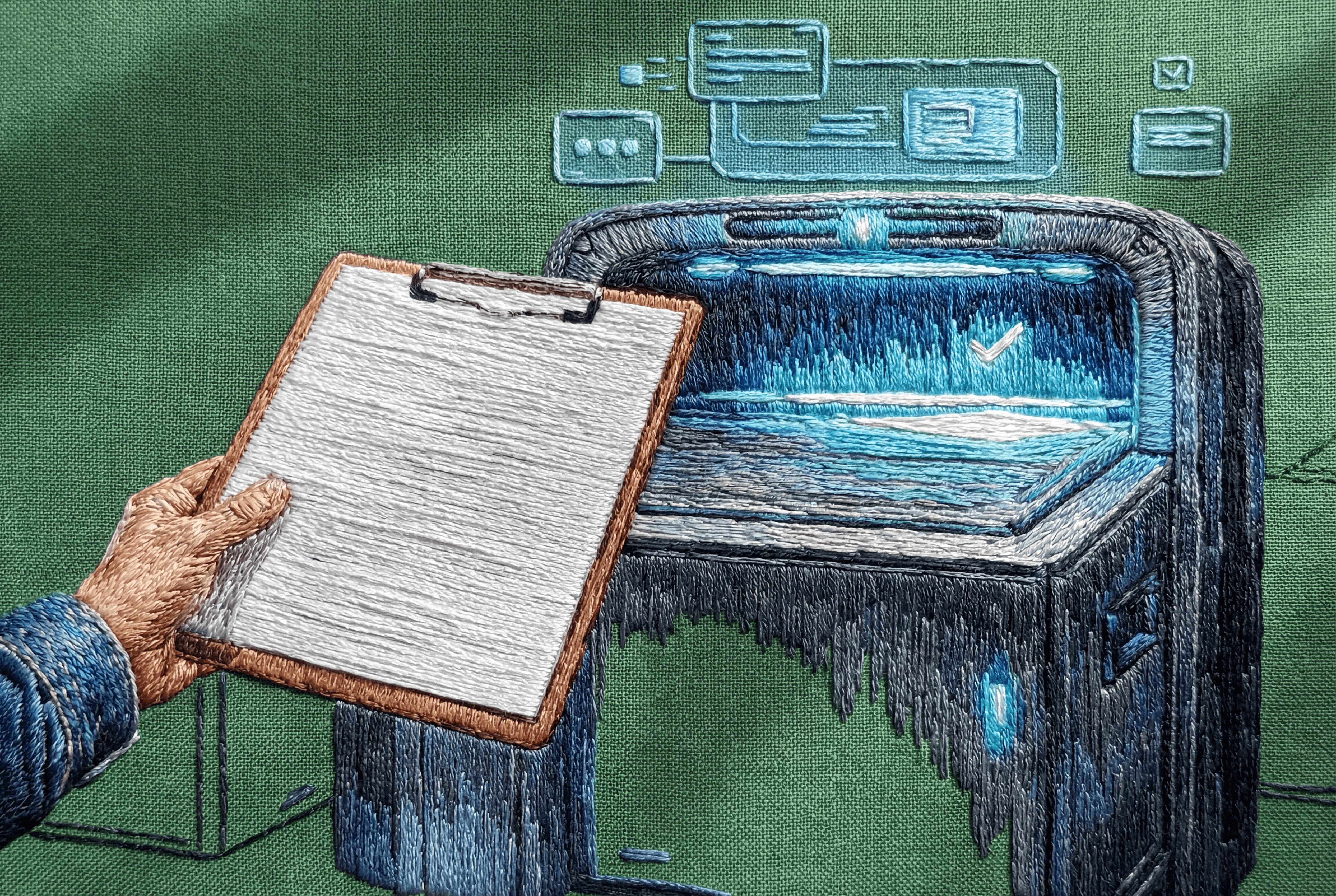
When the system encounters something it can’t immediately categorize, it runs a deeper scan. Think of it like getting pulled aside at TSA. Not because you did something wrong, but because you triggered a secondary check.

That second scan analyzes:

  • Visual elements

  • Audio patterns

  • Viewer behavior

  • Engagement velocity

Instead of relying on your words, the platform relies on its own interpretation.

And in many cases, the system can generate a more accurate, unbiased description of your content than you can, because it’s reading how people actually respond, not how you intend to be perceived.

The Takeaway

Don't put a caption on your video. Leave it blank.

Let’s chat again soon…

Gibz

If a system can generate videos from words, the inverse must also be true.

When you upload a video, the system doesn’t just see it. It listens. It tracks pacing. It reads visual density, motion, faces, audio trends, and viewer behavior. Then it translates all of that back into language: metadata, signals, predictions.

In other words: the machine is already describing your video in words, whether you add a caption or not.

This is the quiet shift from SEO (Search Engine Optimization) to GEO (Generative Engine Optimization).


  • We’re no longer optimizing for keywords.

  • We’re optimizing for interpretation.


How the System Actually Decides What to Show

Imagine this familiar scenario.

A friend is scrolling on their phone. They stop on a cat video.

That pause matters more than the like.

The system registers:


  • Time spent on screen

  • Whether the video was watched past the first few seconds

  • How that behavior compares to the last several videos they engaged with


From there, the algorithm becomes an algorithmic DJ. Sampling patterns, remixing preferences, and serving the next track.

But here’s the important part: The system doesn’t know why your friend liked the cat video.

It could be:


  • The pacing and editing style

  • The subject matter

  • The trending audio

  • The emotional tone

  • Or the contrast from what they watched before


So instead of assuming one reason, the system tests clusters. It blends variables from the last few “interest groups” and serves content that matches overlapping signals. This is why your feed can feel eerily accurate. And strangely wrong at the same time.

The Illusion of Control

We like to believe we control what we see online.

And in a technical sense, we do. We can search anything. Explore everything. Leave any platform.

But social media didn’t limit information, it organized it into feeds.

Streams. Queues. Endless lines of content, pre-sorted for us.

Free will still exists, but it operates inside curated systems. That matters when you’re creating content for a business.

Were Humans

When someone meets you online…reads your words, listens to your voice, decides whether to trust you; it’s best to be human. Clear. Grounded. Real.

But when it comes to distribution, something counterintuitive happens.

Posting with no caption or minimal text can sometimes increase exposure.

Why?

Because it’s an anomaly.

When the system encounters something it can’t immediately categorize, it runs a deeper scan. Think of it like getting pulled aside at TSA. Not because you did something wrong, but because you triggered a secondary check.

That second scan analyzes:

  • Visual elements

  • Audio patterns

  • Viewer behavior

  • Engagement velocity

Instead of relying on your words, the platform relies on its own interpretation.

And in many cases, the system can generate a more accurate, unbiased description of your content than you can, because it’s reading how people actually respond, not how you intend to be perceived.

The Takeaway

Don't put a caption on your video. Leave it blank.

Let’s chat again soon…

Gibz

If a system can generate videos from words, the inverse must also be true.

When you upload a video, the system doesn’t just see it. It listens. It tracks pacing. It reads visual density, motion, faces, audio trends, and viewer behavior. Then it translates all of that back into language: metadata, signals, predictions.

In other words: the machine is already describing your video in words, whether you add a caption or not.

This is the quiet shift from SEO (Search Engine Optimization) to GEO (Generative Engine Optimization).


  • We’re no longer optimizing for keywords.

  • We’re optimizing for interpretation.


How the System Actually Decides What to Show

Imagine this familiar scenario.

A friend is scrolling on their phone. They stop on a cat video.

That pause matters more than the like.

The system registers:


  • Time spent on screen

  • Whether the video was watched past the first few seconds

  • How that behavior compares to the last several videos they engaged with


From there, the algorithm becomes an algorithmic DJ. Sampling patterns, remixing preferences, and serving the next track.

But here’s the important part: The system doesn’t know why your friend liked the cat video.

It could be:


  • The pacing and editing style

  • The subject matter

  • The trending audio

  • The emotional tone

  • Or the contrast from what they watched before


So instead of assuming one reason, the system tests clusters. It blends variables from the last few “interest groups” and serves content that matches overlapping signals. This is why your feed can feel eerily accurate. And strangely wrong at the same time.

The Illusion of Control

We like to believe we control what we see online.

And in a technical sense, we do. We can search anything. Explore everything. Leave any platform.

But social media didn’t limit information, it organized it into feeds.

Streams. Queues. Endless lines of content, pre-sorted for us.

Free will still exists, but it operates inside curated systems. That matters when you’re creating content for a business.

Were Humans

When someone meets you online…reads your words, listens to your voice, decides whether to trust you; it’s best to be human. Clear. Grounded. Real.

But when it comes to distribution, something counterintuitive happens.

Posting with no caption or minimal text can sometimes increase exposure.

Why?

Because it’s an anomaly.

When the system encounters something it can’t immediately categorize, it runs a deeper scan. Think of it like getting pulled aside at TSA. Not because you did something wrong, but because you triggered a secondary check.

That second scan analyzes:

  • Visual elements

  • Audio patterns

  • Viewer behavior

  • Engagement velocity

Instead of relying on your words, the platform relies on its own interpretation.

And in many cases, the system can generate a more accurate, unbiased description of your content than you can, because it’s reading how people actually respond, not how you intend to be perceived.

The Takeaway

Don't put a caption on your video. Leave it blank.

Let’s chat again soon…

Gibz

My mission is to

Help you create and earn on your terms.

No spam, unsubscribe anytime.

My mission is to

Help you create and earn on your terms.

No spam, unsubscribe anytime.

My mission is to

Help you create and earn on your terms.

No spam, unsubscribe anytime.