Fan Fiction Evolution
Be the first to know about every new letter.
No spam, unsubscribe anytime.
For a long time, fan fiction existed in a very specific format.
It was written.
Fans took characters they loved and imagined different outcomes. Different relationships. Different endings. They filled the gaps the original story left open.
Sometimes it stayed playful. Sometimes it became massive.
But something interesting is starting to happen. The medium is changing.
Instead of writing stories, people are now generating them.
And if you scroll social media long enough, you can already see the early experiments.
I recently saw a video imagining Frodo from The Hobbit taking the ring to a pawn shop (watch here). The joke works instantly because everyone already knows the story, the internet is simply playing with the scenario.
Another viral format floating around right now is Fruit Love Island, where fruits and vegetables are given personalities and placed inside dramatic reality-show storylines. It’s absurd, but the structure feels familiar because we recognize the format.
And then there are the darker moments.
AI-generated weddings photos from a private celebrity (Jimmy Kimmel Interview). Imagined crossovers between real world people and our perception of what we want from them.
It feels playful right now.
But underneath it, something is emerging.
Fans Don’t Only Exist Around Fictional Worlds.
Celebrities. Public figures. Political leaders. Influencers.
The internet already builds narratives about them.
Heroes and villains. Rivalries and alliances. Love stories and betrayals.
We often think of fandom as something that happens around a person.
Fans cheering. Fans speculating. Fans imagining alternate versions of the story.
But the truth is, no one is usually a bigger fan of a public figure than the person in power themselves. Or the team whose job is to keep them there.
They understand the importance of narrative better than anyone.
They know which scenes make them look heroic. Which moments create sympathy. Which stories reinforce the version of themselves they want the public to believe.
And now the tools to generate those scenes are easier than ever.
Moments can be created. Images can be staged. Stories can be shaped.
Not always as lies.
But as carefully constructed versions of reality.
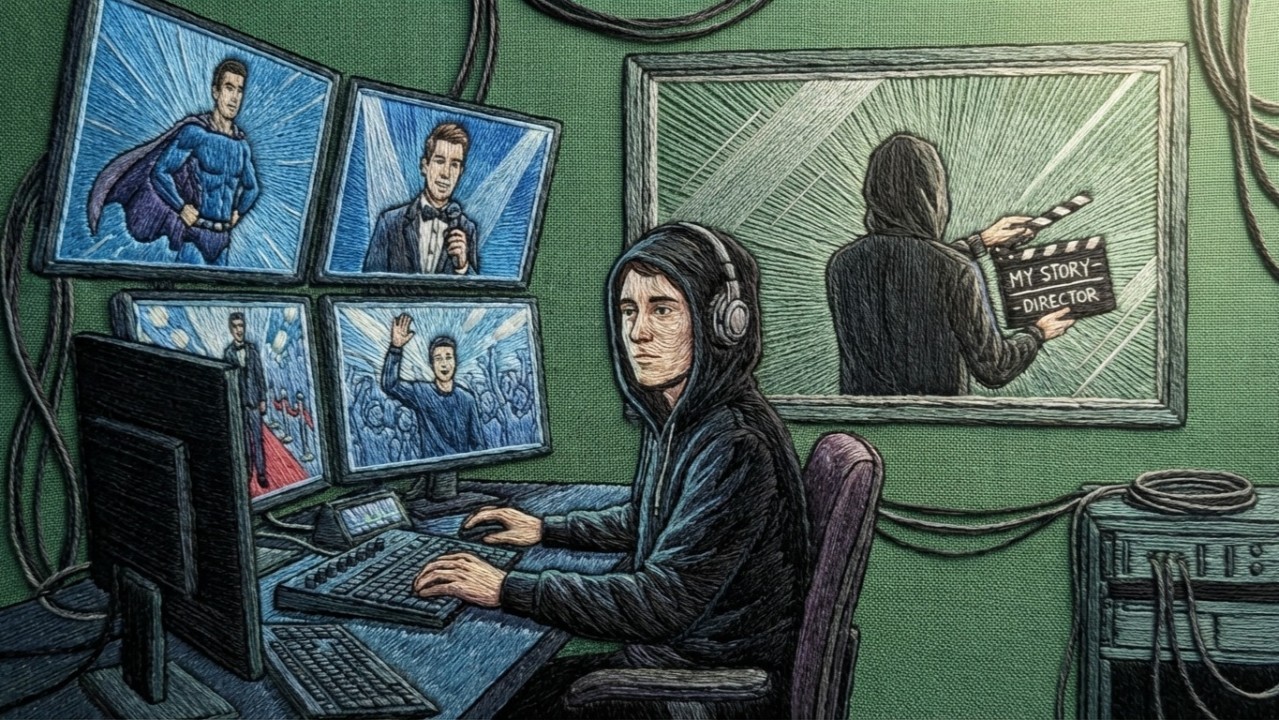
Which means the next evolution of fan fiction may not be about fictional characters at all.
It may come from the people who are trying to control the story.
Because in the age of AI media, fandom isn’t just something the audience creates.
Sometimes it’s something power can create about itself.
Let's chat again soon...
Gibz
My mission is to
Help you create and earn on your terms.
No spam, unsubscribe anytime.