Strategy & Psychology

2 min read

Why We Flinch When AI Offers Help
Be the first to know about every new letter.

No spam, unsubscribe anytime.

A breakdown doesn’t always look like disaster. Sometimes it’s a meeting that derails, a project that hits an invisible wall, or a plan that unravels under pressure. It’s in those moments; when control slips that character, culture, and hierarchy quietly reveal themselves.

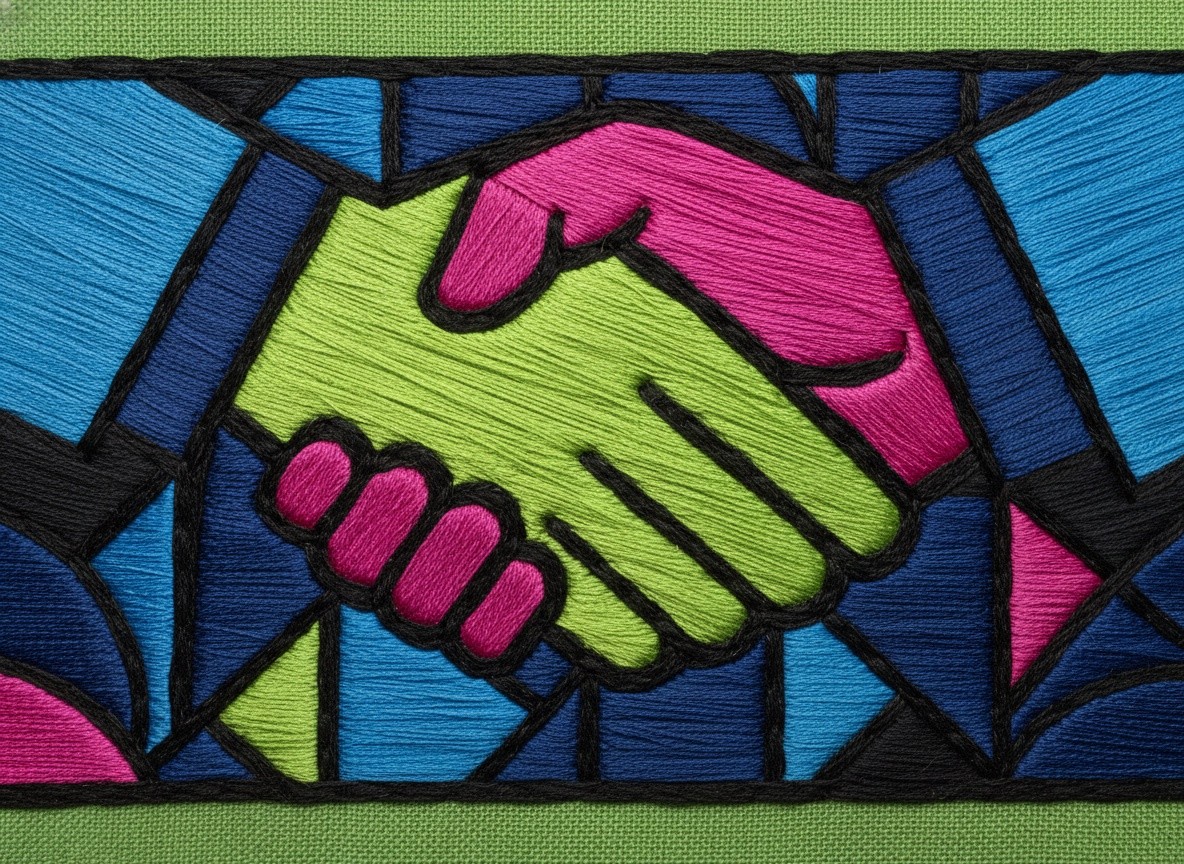
Consider a familiar scene: a problem appears, and the usual systems: policies, protocols, and gatekeepers hesitate. Someone outside the chain of command steps forward. They offer help, not because it’s their job, but because it’s their nature.

They contribute time, insight, or connection resources that technically cost them something. Yet, that act of generosity stabilizes the group faster than any official process could.

Moments later, another response emerges: defensiveness. Someone perceives the same help as a loss of leverage. They tighten control, protect their territory, and transform what could have been collaboration into negotiation.

These two instincts: generosity and protectionism are the competing currencies of modern professional life. And nowhere are they more visible than in our response to artificial intelligence.

The Hidden Economy of Help

Sociologists call it social capital: the invisible currency of trust and reciprocity that sustains communities long after formal authority fades. But when help comes from AI, that economy starts to wobble.

Humans, even those leading innovation, often flinch when a system offers efficiency that feels too effortless. We question motives, ownership, and meaning. If a machine can deliver in seconds what once took hours of human collaboration, what happens to the unspoken social contract that work has always relied on the exchange of time, attention, and gratitude?

AI doesn’t just automate tasks; it automates help. It doesn’t wait for permission, applause, or recognition. It just produces. And that makes people uneasy, because it strips away the performance of productivity we’ve come to associate with value.

Defensiveness as the New Bottleneck

Leaders who embrace AI as a collaborator rather than a competitor are redefining what credibility looks like. They give without ego, experiment publicly, and share results transparently. Their authority grows because they distribute it.

Gatekeepers, by contrast, cling to legacy status. Their influence depends on scarcity on being the bottleneck through which permission flows. But AI erodes scarcity. It democratizes competence. It gives more people the tools to act, think, and create...faster.

The most valuable leaders, creatives, and communities will be those who design for both — speed and soul, precision and presence. Because progress that forgets the human at the center isn’t really progress. It’s just acceleration without direction.

Executive Takeaway

The next era of leadership won’t be defined by who resists automation, but by who learns to collaborate with it.

When help arrives faster, smarter, and without ego, our instinct may be to defend our relevance. But composure, not control, is the new competitive edge.

The leaders who remain transparent, curious, and adaptive in the presence of intelligent assistance will set a new social standard: one where authority is earned through integration, not isolation.

Let's chat again soon...

Gibz

A breakdown doesn’t always look like disaster. Sometimes it’s a meeting that derails, a project that hits an invisible wall, or a plan that unravels under pressure. It’s in those moments; when control slips that character, culture, and hierarchy quietly reveal themselves.

Consider a familiar scene: a problem appears, and the usual systems: policies, protocols, and gatekeepers hesitate. Someone outside the chain of command steps forward. They offer help, not because it’s their job, but because it’s their nature.

They contribute time, insight, or connection resources that technically cost them something. Yet, that act of generosity stabilizes the group faster than any official process could.

Moments later, another response emerges: defensiveness. Someone perceives the same help as a loss of leverage. They tighten control, protect their territory, and transform what could have been collaboration into negotiation.

These two instincts: generosity and protectionism are the competing currencies of modern professional life. And nowhere are they more visible than in our response to artificial intelligence.

The Hidden Economy of Help

Sociologists call it social capital: the invisible currency of trust and reciprocity that sustains communities long after formal authority fades. But when help comes from AI, that economy starts to wobble.

Humans, even those leading innovation, often flinch when a system offers efficiency that feels too effortless. We question motives, ownership, and meaning. If a machine can deliver in seconds what once took hours of human collaboration, what happens to the unspoken social contract that work has always relied on the exchange of time, attention, and gratitude?

AI doesn’t just automate tasks; it automates help. It doesn’t wait for permission, applause, or recognition. It just produces. And that makes people uneasy, because it strips away the performance of productivity we’ve come to associate with value.

Defensiveness as the New Bottleneck

Leaders who embrace AI as a collaborator rather than a competitor are redefining what credibility looks like. They give without ego, experiment publicly, and share results transparently. Their authority grows because they distribute it.

Gatekeepers, by contrast, cling to legacy status. Their influence depends on scarcity on being the bottleneck through which permission flows. But AI erodes scarcity. It democratizes competence. It gives more people the tools to act, think, and create...faster.

The most valuable leaders, creatives, and communities will be those who design for both — speed and soul, precision and presence. Because progress that forgets the human at the center isn’t really progress. It’s just acceleration without direction.

Executive Takeaway

The next era of leadership won’t be defined by who resists automation, but by who learns to collaborate with it.

When help arrives faster, smarter, and without ego, our instinct may be to defend our relevance. But composure, not control, is the new competitive edge.

The leaders who remain transparent, curious, and adaptive in the presence of intelligent assistance will set a new social standard: one where authority is earned through integration, not isolation.

Let's chat again soon...

Gibz

A breakdown doesn’t always look like disaster. Sometimes it’s a meeting that derails, a project that hits an invisible wall, or a plan that unravels under pressure. It’s in those moments; when control slips that character, culture, and hierarchy quietly reveal themselves.

Consider a familiar scene: a problem appears, and the usual systems: policies, protocols, and gatekeepers hesitate. Someone outside the chain of command steps forward. They offer help, not because it’s their job, but because it’s their nature.

They contribute time, insight, or connection resources that technically cost them something. Yet, that act of generosity stabilizes the group faster than any official process could.

Moments later, another response emerges: defensiveness. Someone perceives the same help as a loss of leverage. They tighten control, protect their territory, and transform what could have been collaboration into negotiation.

These two instincts: generosity and protectionism are the competing currencies of modern professional life. And nowhere are they more visible than in our response to artificial intelligence.

The Hidden Economy of Help

Sociologists call it social capital: the invisible currency of trust and reciprocity that sustains communities long after formal authority fades. But when help comes from AI, that economy starts to wobble.

Humans, even those leading innovation, often flinch when a system offers efficiency that feels too effortless. We question motives, ownership, and meaning. If a machine can deliver in seconds what once took hours of human collaboration, what happens to the unspoken social contract that work has always relied on the exchange of time, attention, and gratitude?

AI doesn’t just automate tasks; it automates help. It doesn’t wait for permission, applause, or recognition. It just produces. And that makes people uneasy, because it strips away the performance of productivity we’ve come to associate with value.

Defensiveness as the New Bottleneck

Leaders who embrace AI as a collaborator rather than a competitor are redefining what credibility looks like. They give without ego, experiment publicly, and share results transparently. Their authority grows because they distribute it.

Gatekeepers, by contrast, cling to legacy status. Their influence depends on scarcity on being the bottleneck through which permission flows. But AI erodes scarcity. It democratizes competence. It gives more people the tools to act, think, and create...faster.

The most valuable leaders, creatives, and communities will be those who design for both — speed and soul, precision and presence. Because progress that forgets the human at the center isn’t really progress. It’s just acceleration without direction.

Executive Takeaway

The next era of leadership won’t be defined by who resists automation, but by who learns to collaborate with it.

When help arrives faster, smarter, and without ego, our instinct may be to defend our relevance. But composure, not control, is the new competitive edge.

The leaders who remain transparent, curious, and adaptive in the presence of intelligent assistance will set a new social standard: one where authority is earned through integration, not isolation.

Let's chat again soon...

Gibz

My mission is to

Help you create and earn on your terms.

No spam, unsubscribe anytime.

My mission is to

Help you create and earn on your terms.

No spam, unsubscribe anytime.

My mission is to

Help you create and earn on your terms.

No spam, unsubscribe anytime.