Public Spaces or a Home on Zillow


Be the first to know about every new letter.
No spam, unsubscribe anytime.
Let me tell you about my first showing. The one I was never supposed to be a part of. It was 2008, and my father, a tech-savvy wizard, was handling our home sale as a for-sale-by-owner. The market had shifted, and sellers like us were feeling the squeeze. We were moving due to a job change, and leaving this house behind was bittersweet.
I was just a 6th grader then, supposed to go to a friend’s after school. But when she canceled last minute, I went home as usual. Bus ride, walk back, snack, TV. Nothing special. Until the doorbell rang. My parents weren’t home, but through the glass-paneled front door, I could see it was a realtor. We had a lot of showings back then, but this one caught me off guard.
Panic hit. I rushed to hide, instinctively bolting to my bedroom, the worst place I could have chosen. When it came time that I heard footsteps coming up the stairs, I realized I had limited options. The closet? They’d definitely want to see that. The bathroom? Same problem. In a desperate move, I wriggled under my bed on the far side of the room, but my plan failed spectacularly. My legs fit, but my head and one shoulder stuck out, leaving me frozen in a bizarre, half-exposed position.
And then, it happened. The potential buyer walked into my room, came over to the far side to glance at the framed picture on my desk, then locked eyes with me—half under the bed, half out—completely horrified. He didn’t say a word, and neither did I. We just stood there, equally paralyzed by the absurdity of the situation.
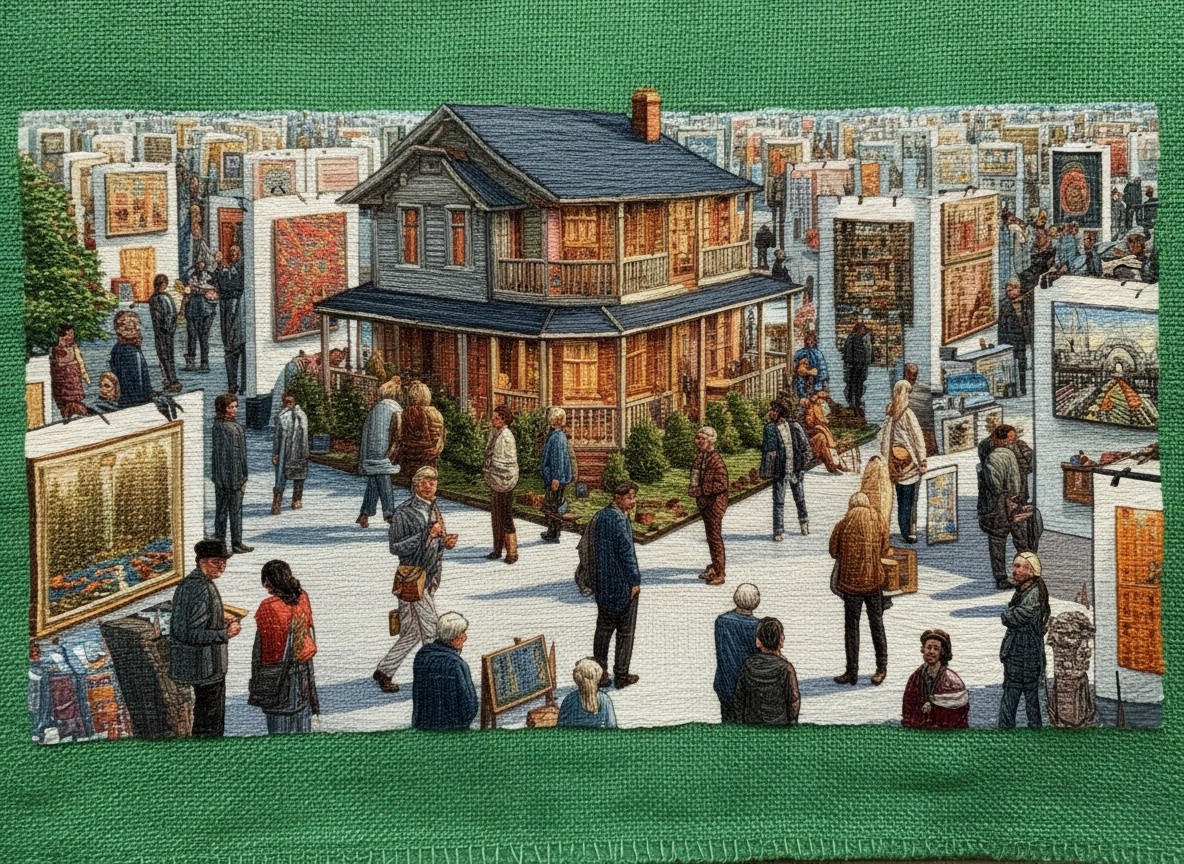
It’s a showing neither of us will ever forget. But what strikes me now is how that feeling of fear. Of being exposed in my own home, is what so many of us are experiencing today, but in a digital sense. The unprecedented level of access we now have to each other’s private spaces through online listings, virtual tours, and AI-driven technologies is creeping into our most sacred spaces. Our homes are no longer just where we live, they’ve become digital assets, open to public scrutiny.
The pandemic reshaped our relationship with our homes, turning them into multipurpose spaces for work, life, and hosting. Now, with rapid technological advancements and the looming threats of cyber warfare, we’re facing an era where privacy isn’t just breached by an accidental showing, it’s systematically dismantled. Photos of our interiors remain online long after a sale, accessible to anyone with an internet connection. And for high-net-worth clients, this isn’t just uncomfortable; it’s a matter of security.
With the recent LA fires, some of the most exclusive properties in LA and Malibu were reduced to ashes. As reconstruction begins, I can’t help but wonder, could these homes command a higher price simply because their interiors have never been publicly seen? Will keeping listing images offline become the next major trend in luxury real estate? If so, how does one promote a home without revealing it? How does an agent showcase their ability to sell while preserving discretion?
Privacy in the Digital Age
As someone who can still find photos of my childhood room on Zillow from 2008, I can’t help but wonder how we’ll navigate this next wave of digital exposure. The joy I once found in nostalgia quickly fades when I think about the vulnerability that comes with such unrestricted access.
So, how do we protect the privacy and security of homeowners in an age where every corner of their living space can be digitized and accessed at a click? This is where AI can become a silver bullet—if used wisely. Imagine using only AI-generated photos of a listing, with real images shared only after potential buyers have been vetted. Or maybe we limit interior photos altogether, focusing on exteriors unless access is granted by the listing agent. This could be done through secure, expiring links that offer temporary, controlled viewership.
It’s no secret that people browse Zillow for fun. Scrolling through mansions they’ll never buy, ogling the most extravagant properties. It’s become an internet trend, a guilty pleasure. But while the public enjoys this digital window-shopping, those with the most to lose want it the least. And as real estate professionals, it’s your job to protect them.
Because ultimately, safeguarding these digital footprints will protect not only your clients but also the longevity of your careers in this fast-evolving industry. The world is changing, and with it, so must we.
Let’s chat again soon…
Gibz
Let me tell you about my first showing. The one I was never supposed to be a part of. It was 2008, and my father, a tech-savvy wizard, was handling our home sale as a for-sale-by-owner. The market had shifted, and sellers like us were feeling the squeeze. We were moving due to a job change, and leaving this house behind was bittersweet.
I was just a 6th grader then, supposed to go to a friend’s after school. But when she canceled last minute, I went home as usual. Bus ride, walk back, snack, TV. Nothing special. Until the doorbell rang. My parents weren’t home, but through the glass-paneled front door, I could see it was a realtor. We had a lot of showings back then, but this one caught me off guard.
Panic hit. I rushed to hide, instinctively bolting to my bedroom, the worst place I could have chosen. When it came time that I heard footsteps coming up the stairs, I realized I had limited options. The closet? They’d definitely want to see that. The bathroom? Same problem. In a desperate move, I wriggled under my bed on the far side of the room, but my plan failed spectacularly. My legs fit, but my head and one shoulder stuck out, leaving me frozen in a bizarre, half-exposed position.
And then, it happened. The potential buyer walked into my room, came over to the far side to glance at the framed picture on my desk, then locked eyes with me—half under the bed, half out—completely horrified. He didn’t say a word, and neither did I. We just stood there, equally paralyzed by the absurdity of the situation.
It’s a showing neither of us will ever forget. But what strikes me now is how that feeling of fear. Of being exposed in my own home, is what so many of us are experiencing today, but in a digital sense. The unprecedented level of access we now have to each other’s private spaces through online listings, virtual tours, and AI-driven technologies is creeping into our most sacred spaces. Our homes are no longer just where we live, they’ve become digital assets, open to public scrutiny.
The pandemic reshaped our relationship with our homes, turning them into multipurpose spaces for work, life, and hosting. Now, with rapid technological advancements and the looming threats of cyber warfare, we’re facing an era where privacy isn’t just breached by an accidental showing, it’s systematically dismantled. Photos of our interiors remain online long after a sale, accessible to anyone with an internet connection. And for high-net-worth clients, this isn’t just uncomfortable; it’s a matter of security.
With the recent LA fires, some of the most exclusive properties in LA and Malibu were reduced to ashes. As reconstruction begins, I can’t help but wonder, could these homes command a higher price simply because their interiors have never been publicly seen? Will keeping listing images offline become the next major trend in luxury real estate? If so, how does one promote a home without revealing it? How does an agent showcase their ability to sell while preserving discretion?
Privacy in the Digital Age
As someone who can still find photos of my childhood room on Zillow from 2008, I can’t help but wonder how we’ll navigate this next wave of digital exposure. The joy I once found in nostalgia quickly fades when I think about the vulnerability that comes with such unrestricted access.
So, how do we protect the privacy and security of homeowners in an age where every corner of their living space can be digitized and accessed at a click? This is where AI can become a silver bullet—if used wisely. Imagine using only AI-generated photos of a listing, with real images shared only after potential buyers have been vetted. Or maybe we limit interior photos altogether, focusing on exteriors unless access is granted by the listing agent. This could be done through secure, expiring links that offer temporary, controlled viewership.
It’s no secret that people browse Zillow for fun. Scrolling through mansions they’ll never buy, ogling the most extravagant properties. It’s become an internet trend, a guilty pleasure. But while the public enjoys this digital window-shopping, those with the most to lose want it the least. And as real estate professionals, it’s your job to protect them.
Because ultimately, safeguarding these digital footprints will protect not only your clients but also the longevity of your careers in this fast-evolving industry. The world is changing, and with it, so must we.
Let’s chat again soon…
Gibz
Let me tell you about my first showing. The one I was never supposed to be a part of. It was 2008, and my father, a tech-savvy wizard, was handling our home sale as a for-sale-by-owner. The market had shifted, and sellers like us were feeling the squeeze. We were moving due to a job change, and leaving this house behind was bittersweet.
I was just a 6th grader then, supposed to go to a friend’s after school. But when she canceled last minute, I went home as usual. Bus ride, walk back, snack, TV. Nothing special. Until the doorbell rang. My parents weren’t home, but through the glass-paneled front door, I could see it was a realtor. We had a lot of showings back then, but this one caught me off guard.
Panic hit. I rushed to hide, instinctively bolting to my bedroom, the worst place I could have chosen. When it came time that I heard footsteps coming up the stairs, I realized I had limited options. The closet? They’d definitely want to see that. The bathroom? Same problem. In a desperate move, I wriggled under my bed on the far side of the room, but my plan failed spectacularly. My legs fit, but my head and one shoulder stuck out, leaving me frozen in a bizarre, half-exposed position.
And then, it happened. The potential buyer walked into my room, came over to the far side to glance at the framed picture on my desk, then locked eyes with me—half under the bed, half out—completely horrified. He didn’t say a word, and neither did I. We just stood there, equally paralyzed by the absurdity of the situation.
It’s a showing neither of us will ever forget. But what strikes me now is how that feeling of fear. Of being exposed in my own home, is what so many of us are experiencing today, but in a digital sense. The unprecedented level of access we now have to each other’s private spaces through online listings, virtual tours, and AI-driven technologies is creeping into our most sacred spaces. Our homes are no longer just where we live, they’ve become digital assets, open to public scrutiny.
The pandemic reshaped our relationship with our homes, turning them into multipurpose spaces for work, life, and hosting. Now, with rapid technological advancements and the looming threats of cyber warfare, we’re facing an era where privacy isn’t just breached by an accidental showing, it’s systematically dismantled. Photos of our interiors remain online long after a sale, accessible to anyone with an internet connection. And for high-net-worth clients, this isn’t just uncomfortable; it’s a matter of security.
With the recent LA fires, some of the most exclusive properties in LA and Malibu were reduced to ashes. As reconstruction begins, I can’t help but wonder, could these homes command a higher price simply because their interiors have never been publicly seen? Will keeping listing images offline become the next major trend in luxury real estate? If so, how does one promote a home without revealing it? How does an agent showcase their ability to sell while preserving discretion?
Privacy in the Digital Age
As someone who can still find photos of my childhood room on Zillow from 2008, I can’t help but wonder how we’ll navigate this next wave of digital exposure. The joy I once found in nostalgia quickly fades when I think about the vulnerability that comes with such unrestricted access.
So, how do we protect the privacy and security of homeowners in an age where every corner of their living space can be digitized and accessed at a click? This is where AI can become a silver bullet—if used wisely. Imagine using only AI-generated photos of a listing, with real images shared only after potential buyers have been vetted. Or maybe we limit interior photos altogether, focusing on exteriors unless access is granted by the listing agent. This could be done through secure, expiring links that offer temporary, controlled viewership.
It’s no secret that people browse Zillow for fun. Scrolling through mansions they’ll never buy, ogling the most extravagant properties. It’s become an internet trend, a guilty pleasure. But while the public enjoys this digital window-shopping, those with the most to lose want it the least. And as real estate professionals, it’s your job to protect them.
Because ultimately, safeguarding these digital footprints will protect not only your clients but also the longevity of your careers in this fast-evolving industry. The world is changing, and with it, so must we.
Let’s chat again soon…
Gibz
My mission is to
Help you create and earn on your terms.
No spam, unsubscribe anytime.
My mission is to
Help you create and earn on your terms.
No spam, unsubscribe anytime.
My mission is to
Help you create and earn on your terms.
No spam, unsubscribe anytime.