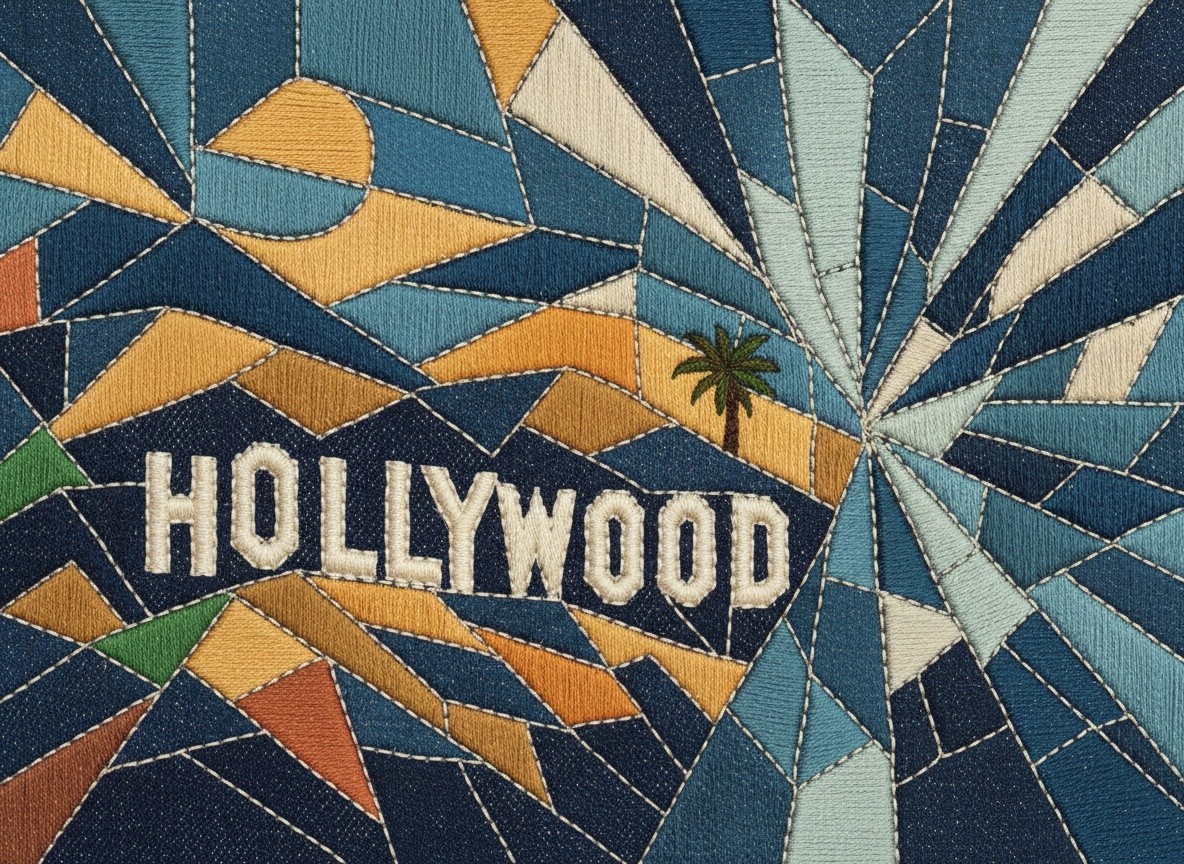
Hollywood was Never Real


Be the first to know about every new letter.
No spam, unsubscribe anytime.
You and I already know what the rest of the world hasn’t caught onto yet. They’re panicking about AI making “fake stories.” But come on—haven’t we always worshipped the fake?
Hollywood was never real. An actor gets applauded for describing how they think a character might have felt. Meanwhile, a creator bares how they actually felt, and the internet scoffs, “attention seeker.” Society rewards the performance, punishes the honesty. You see it. I see it. Most people don’t…yet.
Think about the contrast. An actor can star in a string of blockbusters, rake in awards, and get showered in praise. A controversial creator? They risk themselves, pour their mess and their brilliance into the world, and maybe even build something lasting. But what do they get? Critique. Suspicion. Side-eye. That’s the mismatch, we hand prestige to the illusion and shame to the truth.
Now AI steps in, and the masses freak out. “It’s all fake!” they cry. But you and I know better. We blurred that line long before AI. We chose polish over rawness, spectacle over substance. AI isn’t creating the problem. It’s just holding up the mirror.
And here’s the twist: while everyone else is afraid, we see the opportunity. For the first time, ordinary people have the same cinematic power Hollywood hoarded for decades. A memory, a dream, a protest, a loss, suddenly it can look as big as a blockbuster. Not because a studio approved it, but because someone lived it.
So the question isn’t whether AI is fake. The question is whether society will keep dismissing these new voices just because they “stole” Hollywood’s job… or if we’ll finally celebrate that people can tell their own stories before Hollywood steals them away.
Let's chat again soon...
Gibz
You and I already know what the rest of the world hasn’t caught onto yet. They’re panicking about AI making “fake stories.” But come on—haven’t we always worshipped the fake?
Hollywood was never real. An actor gets applauded for describing how they think a character might have felt. Meanwhile, a creator bares how they actually felt, and the internet scoffs, “attention seeker.” Society rewards the performance, punishes the honesty. You see it. I see it. Most people don’t…yet.
Think about the contrast. An actor can star in a string of blockbusters, rake in awards, and get showered in praise. A controversial creator? They risk themselves, pour their mess and their brilliance into the world, and maybe even build something lasting. But what do they get? Critique. Suspicion. Side-eye. That’s the mismatch, we hand prestige to the illusion and shame to the truth.
Now AI steps in, and the masses freak out. “It’s all fake!” they cry. But you and I know better. We blurred that line long before AI. We chose polish over rawness, spectacle over substance. AI isn’t creating the problem. It’s just holding up the mirror.
And here’s the twist: while everyone else is afraid, we see the opportunity. For the first time, ordinary people have the same cinematic power Hollywood hoarded for decades. A memory, a dream, a protest, a loss, suddenly it can look as big as a blockbuster. Not because a studio approved it, but because someone lived it.
So the question isn’t whether AI is fake. The question is whether society will keep dismissing these new voices just because they “stole” Hollywood’s job… or if we’ll finally celebrate that people can tell their own stories before Hollywood steals them away.
Let's chat again soon...
Gibz
You and I already know what the rest of the world hasn’t caught onto yet. They’re panicking about AI making “fake stories.” But come on—haven’t we always worshipped the fake?
Hollywood was never real. An actor gets applauded for describing how they think a character might have felt. Meanwhile, a creator bares how they actually felt, and the internet scoffs, “attention seeker.” Society rewards the performance, punishes the honesty. You see it. I see it. Most people don’t…yet.
Think about the contrast. An actor can star in a string of blockbusters, rake in awards, and get showered in praise. A controversial creator? They risk themselves, pour their mess and their brilliance into the world, and maybe even build something lasting. But what do they get? Critique. Suspicion. Side-eye. That’s the mismatch, we hand prestige to the illusion and shame to the truth.
Now AI steps in, and the masses freak out. “It’s all fake!” they cry. But you and I know better. We blurred that line long before AI. We chose polish over rawness, spectacle over substance. AI isn’t creating the problem. It’s just holding up the mirror.
And here’s the twist: while everyone else is afraid, we see the opportunity. For the first time, ordinary people have the same cinematic power Hollywood hoarded for decades. A memory, a dream, a protest, a loss, suddenly it can look as big as a blockbuster. Not because a studio approved it, but because someone lived it.
So the question isn’t whether AI is fake. The question is whether society will keep dismissing these new voices just because they “stole” Hollywood’s job… or if we’ll finally celebrate that people can tell their own stories before Hollywood steals them away.
Let's chat again soon...
Gibz
My mission is to
Help you create and earn on your terms.
No spam, unsubscribe anytime.
My mission is to
Help you create and earn on your terms.
No spam, unsubscribe anytime.
My mission is to
Help you create and earn on your terms.
No spam, unsubscribe anytime.