Culture & Trends

3 min read

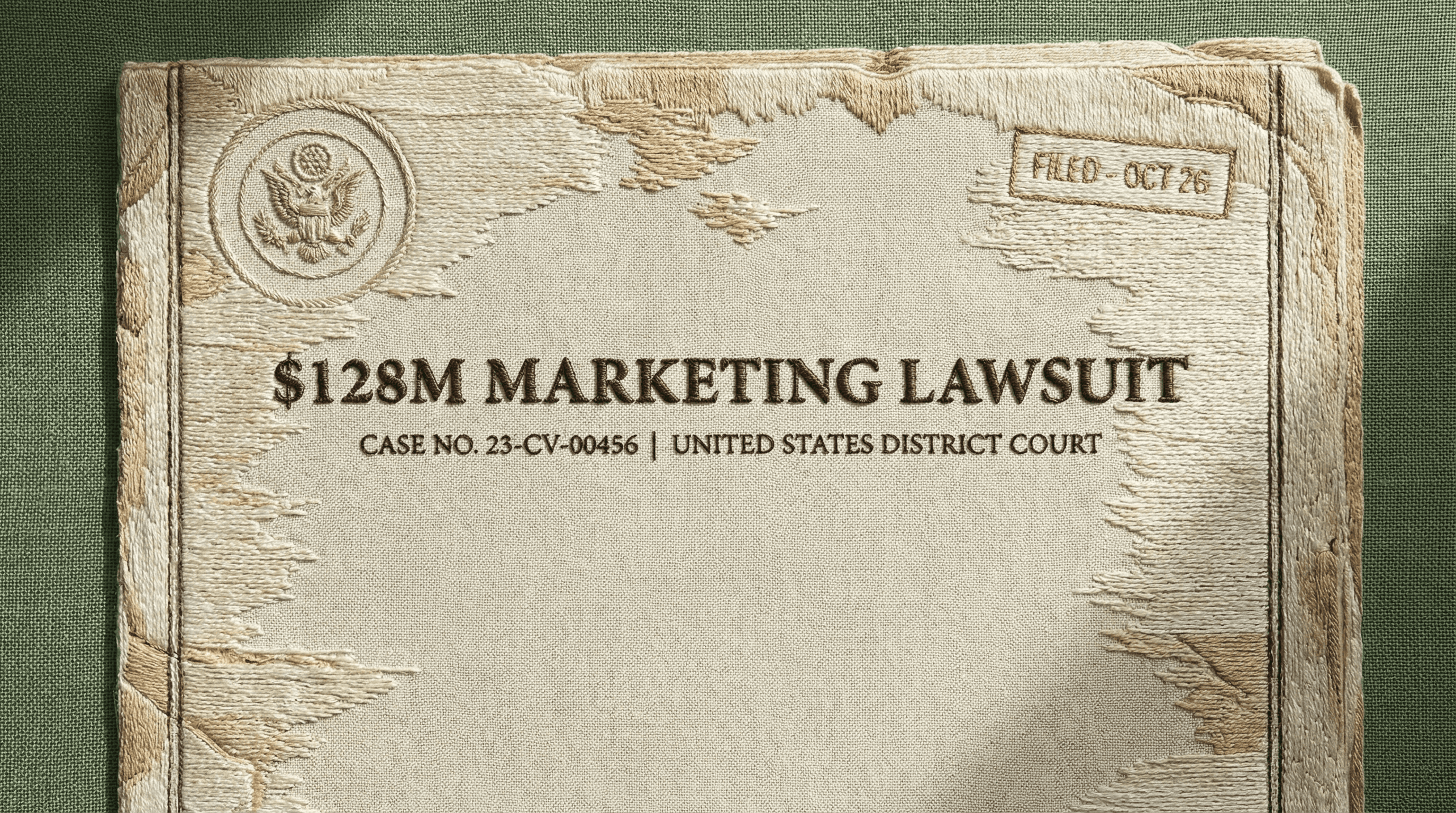
$128M Marketing Lawsuit
Be the first to know about every new letter.

No spam, unsubscribe anytime.

Imagine this: you're a real estate agent using AI and social media to get the best listings and insights for your clients. It's a possible future, right? But there’s a flip side. With new tech, there are also new tricks that we must protect ourselves from.

The Netflix Lawsuit: A Gentle Wake-Up Call

Netflix is currently embroiled in a $128 million marketing lawsuit: Homeowners Aharon Dihno and Fernando Cortez were surprised to see their stunning Hollywood Hills home featured in a trailer for “Buying Beverly Hills” without their consent.

The lawsuit claims that the unauthorized use of their home image has led to harassment, safety concerns, and emotional distress due to the influx of sightseers and unsolicited interest from real estate agents. This case could set a significant precedent, urging real estate professionals to reconsider how they use visual content in marketing.

This situation reminds us how much privacy is valued by high profile individuals. Even a simple image can lead to a lot of unintended attention. By simply sharing an exterior image, suddenly everyone is interested in the property where you live. How can we be thoughtful and considerate to the emotional shift that is approaching quickly as distrust and fear builds online, especially in real estate marketing?

Focusing on Personal Branding

One way to navigate this digital shift is by focusing on personal branding. Instead of relying heavily on detailed visuals that might compromise privacy, let’s build our brand around your expertise, your stories, and the trust you create with your clients. This approach not only keeps things personal and warm but also by focusing on you as the content you build trust-based relationships online.

Many celebrities use social media to connect with fans and promote their work while carefully curating their content. They share professional milestones, behind-the-scenes glimpses, and controlled personal updates, but avoid disclosing their exact locations or intimate details about their lives. Tools like Instagram’s Close Friends feature allow them to share more personal moments with a trusted circle.

Embracing Traditional Values in a Digital World

So, what does this mean for real estate? Well, it's a gentle nudge to blend the best of both worlds—the innovation of digital tools with the wisdom of traditional values. We need to ensure that while we embrace AI and social media marketing, we don’t forget the importance of privacy and respect for your clients' spaces.

While sellers may desire extensive exposure for their homes, it’s crucial to consider the potential impact of overexposure. Over-posting could possibly deter potential buyers, fostering a sense of intrusion or reducing the exclusivity of the property. The key is to find a balanced approach—to effectively use AI in real estate, my suggestion is to focus on two key areas: security measures and marketing scripts.

Security Measures:

1. Automated Threat Detection: AI-powered surveillance and anomaly detection systems can identify and alert you to suspicious lead.

2. Data Encryption: AI enhances encryption and privacy through dynamic key adjustments and real-time data masking.

3. Access Control: Implement AI-driven authentication and behavioral analysis to secure access.

4. Incident Response: Use AI for automated response systems and predictive analytics to quickly address and prevent breaches.

Marketing Scripts:

1. Content Creation: Use AI tools like GPT-4 to generate personalized marketing scripts, social media posts, and emails.

2. Audience Analysis: AI can segment customers and perform sentiment analysis to tailor your marketing messages.

3. Optimization: Employ AI for A/B testing and performance analytics to refine and improve your marketing strategies.

Balancing Innovation and Regulation

As we move forward, it’s all about balance. Yes, let’s use AI to make our work smarter and more efficient. But let’s also advocate for the same kind of thoughtful regulation and respect that traditional models have always upheld. By doing this, we can create a safe, respectful, and inspiring digital landscape for everyone.

Follow me on social media for tips, insights, podcast episodes, and more!

Let’s chat again soon!

Gibz

For more details on the Netflix lawsuit and its implications, you can check out the full story (https://realityblurb.com/2023/07/25/netflix-being-sued-for-128-million-over-mauricio-umanskys-buying-beverly-hills-series-due-to-home-used-in-commercial/) and [here](https://hotlifestylenews.com/world-news/netflix-sued-for-128m-by-homeowners-for-using-house-in-trailer/).

Imagine this: you're a real estate agent using AI and social media to get the best listings and insights for your clients. It's a possible future, right? But there’s a flip side. With new tech, there are also new tricks that we must protect ourselves from.

The Netflix Lawsuit: A Gentle Wake-Up Call

Netflix is currently embroiled in a $128 million marketing lawsuit: Homeowners Aharon Dihno and Fernando Cortez were surprised to see their stunning Hollywood Hills home featured in a trailer for “Buying Beverly Hills” without their consent.

The lawsuit claims that the unauthorized use of their home image has led to harassment, safety concerns, and emotional distress due to the influx of sightseers and unsolicited interest from real estate agents. This case could set a significant precedent, urging real estate professionals to reconsider how they use visual content in marketing.

This situation reminds us how much privacy is valued by high profile individuals. Even a simple image can lead to a lot of unintended attention. By simply sharing an exterior image, suddenly everyone is interested in the property where you live. How can we be thoughtful and considerate to the emotional shift that is approaching quickly as distrust and fear builds online, especially in real estate marketing?

Focusing on Personal Branding

One way to navigate this digital shift is by focusing on personal branding. Instead of relying heavily on detailed visuals that might compromise privacy, let’s build our brand around your expertise, your stories, and the trust you create with your clients. This approach not only keeps things personal and warm but also by focusing on you as the content you build trust-based relationships online.

Many celebrities use social media to connect with fans and promote their work while carefully curating their content. They share professional milestones, behind-the-scenes glimpses, and controlled personal updates, but avoid disclosing their exact locations or intimate details about their lives. Tools like Instagram’s Close Friends feature allow them to share more personal moments with a trusted circle.

Embracing Traditional Values in a Digital World

So, what does this mean for real estate? Well, it's a gentle nudge to blend the best of both worlds—the innovation of digital tools with the wisdom of traditional values. We need to ensure that while we embrace AI and social media marketing, we don’t forget the importance of privacy and respect for your clients' spaces.

While sellers may desire extensive exposure for their homes, it’s crucial to consider the potential impact of overexposure. Over-posting could possibly deter potential buyers, fostering a sense of intrusion or reducing the exclusivity of the property. The key is to find a balanced approach—to effectively use AI in real estate, my suggestion is to focus on two key areas: security measures and marketing scripts.

Security Measures:

1. Automated Threat Detection: AI-powered surveillance and anomaly detection systems can identify and alert you to suspicious lead.

2. Data Encryption: AI enhances encryption and privacy through dynamic key adjustments and real-time data masking.

3. Access Control: Implement AI-driven authentication and behavioral analysis to secure access.

4. Incident Response: Use AI for automated response systems and predictive analytics to quickly address and prevent breaches.

Marketing Scripts:

1. Content Creation: Use AI tools like GPT-4 to generate personalized marketing scripts, social media posts, and emails.

2. Audience Analysis: AI can segment customers and perform sentiment analysis to tailor your marketing messages.

3. Optimization: Employ AI for A/B testing and performance analytics to refine and improve your marketing strategies.

Balancing Innovation and Regulation

As we move forward, it’s all about balance. Yes, let’s use AI to make our work smarter and more efficient. But let’s also advocate for the same kind of thoughtful regulation and respect that traditional models have always upheld. By doing this, we can create a safe, respectful, and inspiring digital landscape for everyone.

Follow me on social media for tips, insights, podcast episodes, and more!

Let’s chat again soon!

Gibz

For more details on the Netflix lawsuit and its implications, you can check out the full story (https://realityblurb.com/2023/07/25/netflix-being-sued-for-128-million-over-mauricio-umanskys-buying-beverly-hills-series-due-to-home-used-in-commercial/) and [here](https://hotlifestylenews.com/world-news/netflix-sued-for-128m-by-homeowners-for-using-house-in-trailer/).

Imagine this: you're a real estate agent using AI and social media to get the best listings and insights for your clients. It's a possible future, right? But there’s a flip side. With new tech, there are also new tricks that we must protect ourselves from.

The Netflix Lawsuit: A Gentle Wake-Up Call

Netflix is currently embroiled in a $128 million marketing lawsuit: Homeowners Aharon Dihno and Fernando Cortez were surprised to see their stunning Hollywood Hills home featured in a trailer for “Buying Beverly Hills” without their consent.

The lawsuit claims that the unauthorized use of their home image has led to harassment, safety concerns, and emotional distress due to the influx of sightseers and unsolicited interest from real estate agents. This case could set a significant precedent, urging real estate professionals to reconsider how they use visual content in marketing.

This situation reminds us how much privacy is valued by high profile individuals. Even a simple image can lead to a lot of unintended attention. By simply sharing an exterior image, suddenly everyone is interested in the property where you live. How can we be thoughtful and considerate to the emotional shift that is approaching quickly as distrust and fear builds online, especially in real estate marketing?

Focusing on Personal Branding

One way to navigate this digital shift is by focusing on personal branding. Instead of relying heavily on detailed visuals that might compromise privacy, let’s build our brand around your expertise, your stories, and the trust you create with your clients. This approach not only keeps things personal and warm but also by focusing on you as the content you build trust-based relationships online.

Many celebrities use social media to connect with fans and promote their work while carefully curating their content. They share professional milestones, behind-the-scenes glimpses, and controlled personal updates, but avoid disclosing their exact locations or intimate details about their lives. Tools like Instagram’s Close Friends feature allow them to share more personal moments with a trusted circle.

Embracing Traditional Values in a Digital World

So, what does this mean for real estate? Well, it's a gentle nudge to blend the best of both worlds—the innovation of digital tools with the wisdom of traditional values. We need to ensure that while we embrace AI and social media marketing, we don’t forget the importance of privacy and respect for your clients' spaces.

While sellers may desire extensive exposure for their homes, it’s crucial to consider the potential impact of overexposure. Over-posting could possibly deter potential buyers, fostering a sense of intrusion or reducing the exclusivity of the property. The key is to find a balanced approach—to effectively use AI in real estate, my suggestion is to focus on two key areas: security measures and marketing scripts.

Security Measures:

1. Automated Threat Detection: AI-powered surveillance and anomaly detection systems can identify and alert you to suspicious lead.

2. Data Encryption: AI enhances encryption and privacy through dynamic key adjustments and real-time data masking.

3. Access Control: Implement AI-driven authentication and behavioral analysis to secure access.

4. Incident Response: Use AI for automated response systems and predictive analytics to quickly address and prevent breaches.

Marketing Scripts:

1. Content Creation: Use AI tools like GPT-4 to generate personalized marketing scripts, social media posts, and emails.

2. Audience Analysis: AI can segment customers and perform sentiment analysis to tailor your marketing messages.

3. Optimization: Employ AI for A/B testing and performance analytics to refine and improve your marketing strategies.

Balancing Innovation and Regulation

As we move forward, it’s all about balance. Yes, let’s use AI to make our work smarter and more efficient. But let’s also advocate for the same kind of thoughtful regulation and respect that traditional models have always upheld. By doing this, we can create a safe, respectful, and inspiring digital landscape for everyone.

Follow me on social media for tips, insights, podcast episodes, and more!

Let’s chat again soon!

Gibz

For more details on the Netflix lawsuit and its implications, you can check out the full story (https://realityblurb.com/2023/07/25/netflix-being-sued-for-128-million-over-mauricio-umanskys-buying-beverly-hills-series-due-to-home-used-in-commercial/) and [here](https://hotlifestylenews.com/world-news/netflix-sued-for-128m-by-homeowners-for-using-house-in-trailer/).

My mission is to

Help you create and earn on your terms.

No spam, unsubscribe anytime.

My mission is to

Help you create and earn on your terms.

No spam, unsubscribe anytime.

My mission is to

Help you create and earn on your terms.

No spam, unsubscribe anytime.